Co-DREAM Tech
Research Development, Education and Training, and Outreach and Engagement
NSF - ReDDoT Project
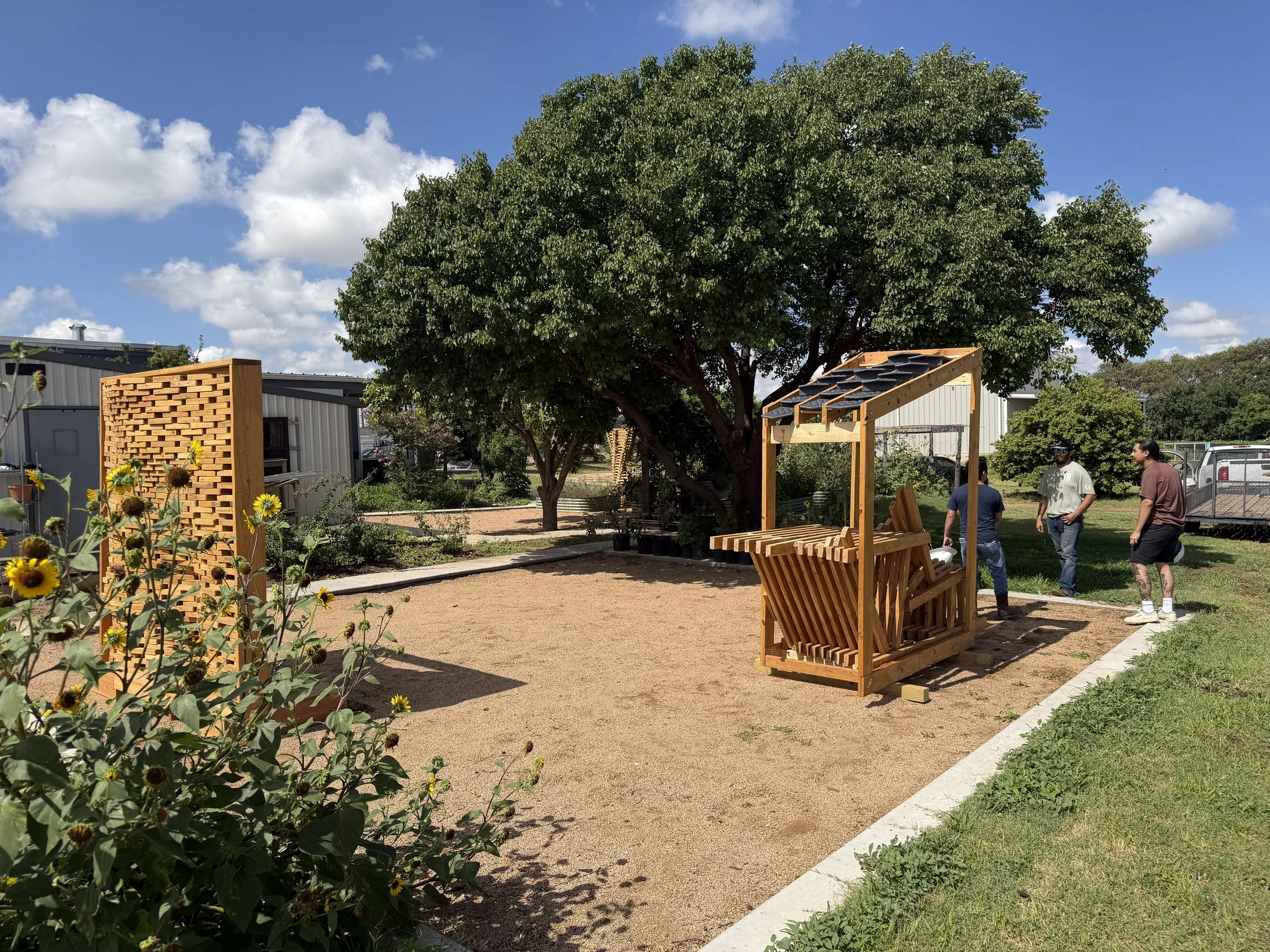
The Co-DREAM Tech initiative—Community-Driven Resilience and Empowerment through Adaptive Manufacturing Technologies—is a federally funded research project by the National Science Foundation that explores how emerging technologies can support more resilient, adaptive, and community-driven approaches to housing and construction in remote and mid-sized communities across the United States. Focusing on the Navajo Nation in New Mexico and the Panhandle Plains of West Texas, the project integrates Extended Reality (XR)-supported design-build processes, artificial intelligence, human-robot collaboration, computational design, and digital fabrication with participatory research and community engagement. Through interconnected phases of explorative mapping, contextual identification, technology analysis, and participatory prototyping, Co-DREAM Tech works with community members, organizations, and other stakeholders to identify local needs and collaboratively develop resilience strategies tailored to environmental, infrastructural, and cultural contexts. The project addresses challenges ranging from extreme weather events in West Texas to resilient and infrastructure-independent housing within the Navajo Nation, while also developing educational and outreach programs that expand access to advanced design and construction technologies. Ultimately, Co-DREAM Tech aims to establish a scalable and replicable model for the responsible, inclusive, and community-centered development of emerging technologies for resilient design and construction.
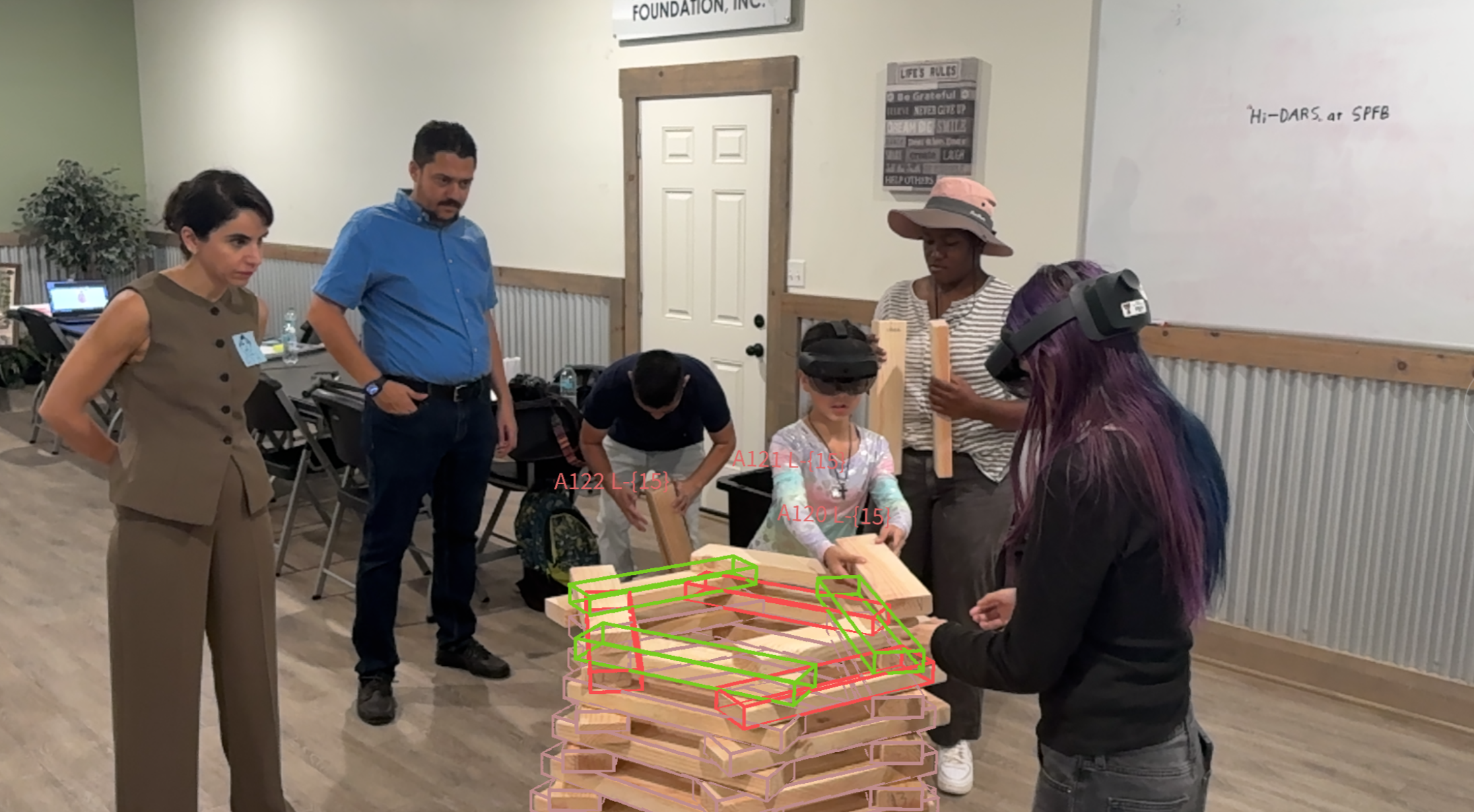
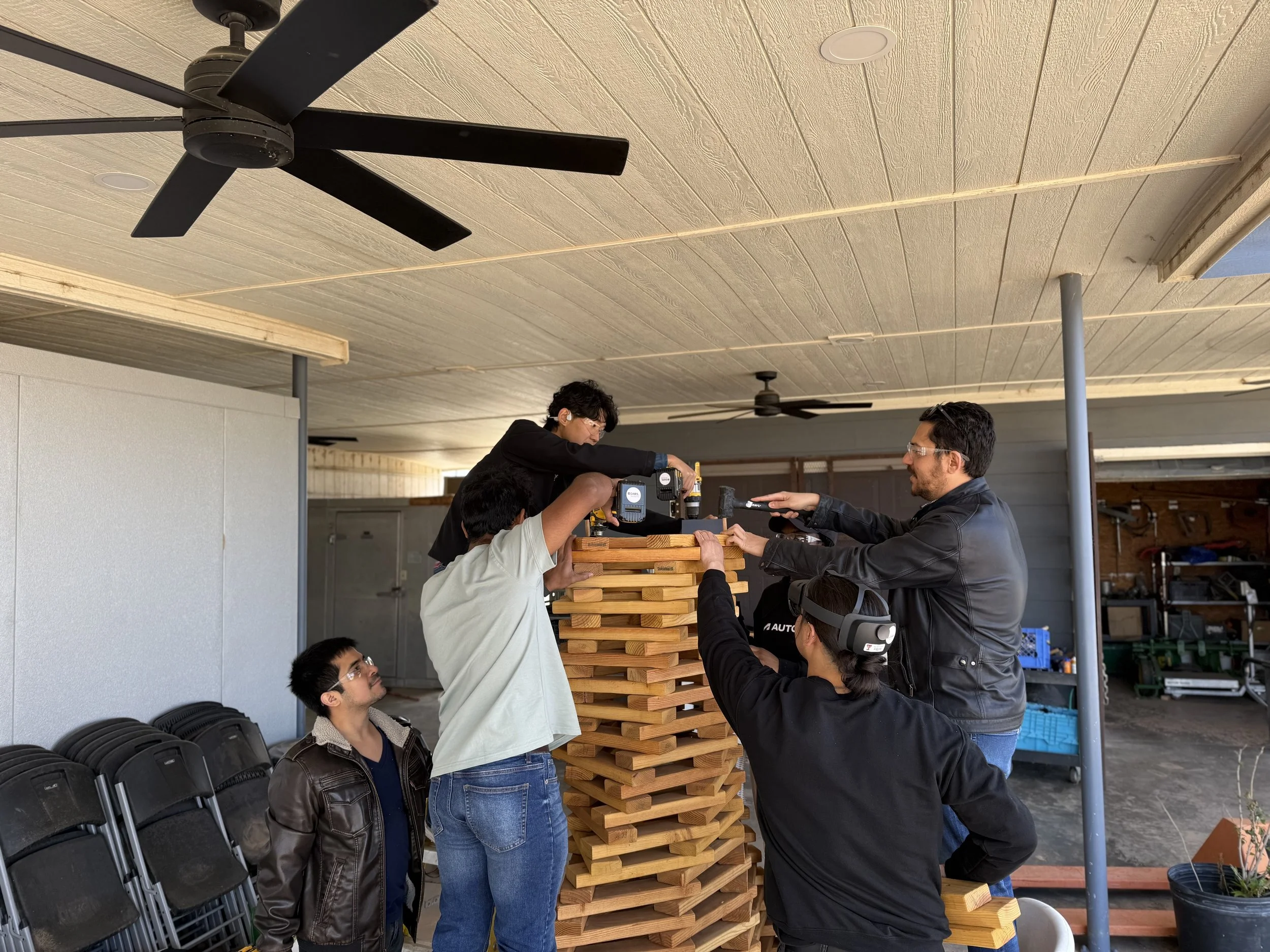
This workshop introduces the concepts of responsible design, development, and deployment of technologies using participatory design and human-centric mass customization. Throughout the session, students explore how smart technologies—such as augmented reality (AR), robotics, and additive manufacturing—work together to connect digital design with physical production. The program combines theoretical background on the shift toward personalized design with hands-on technical practice. Students learn to use AR tools (GUI-XR) and parametric controls to visualize, evaluate, and design a multi-column canopy tailored to specific site conditions. In addition, participants gain practical experience in AR-assisted assembly by working through a step-by-step fabrication process to build structural timber columns using digital overlays.
Co-Design/Build Systems
WORKSHOPS
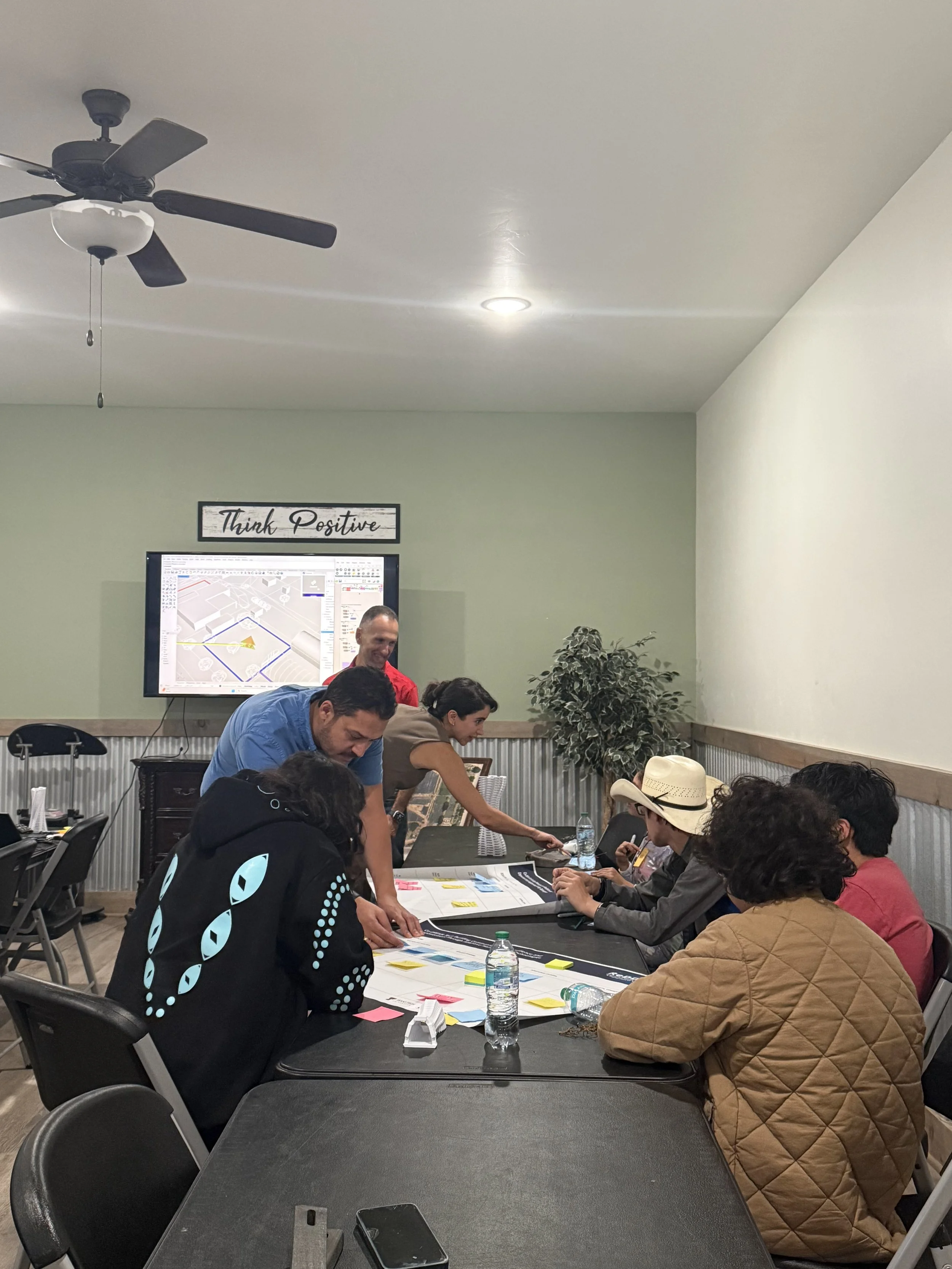
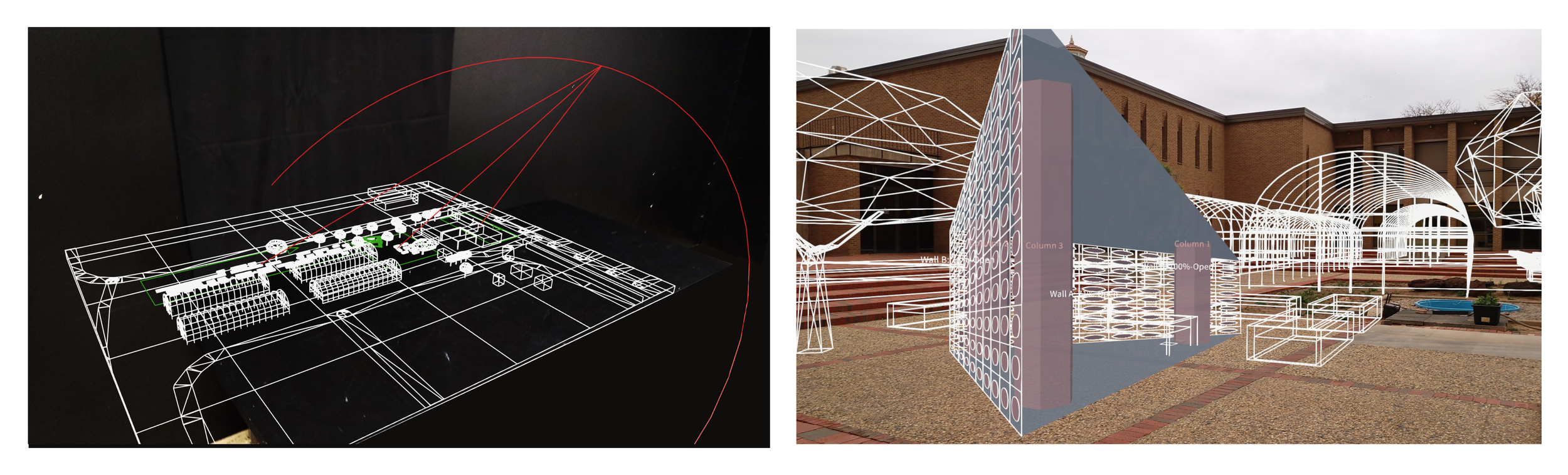
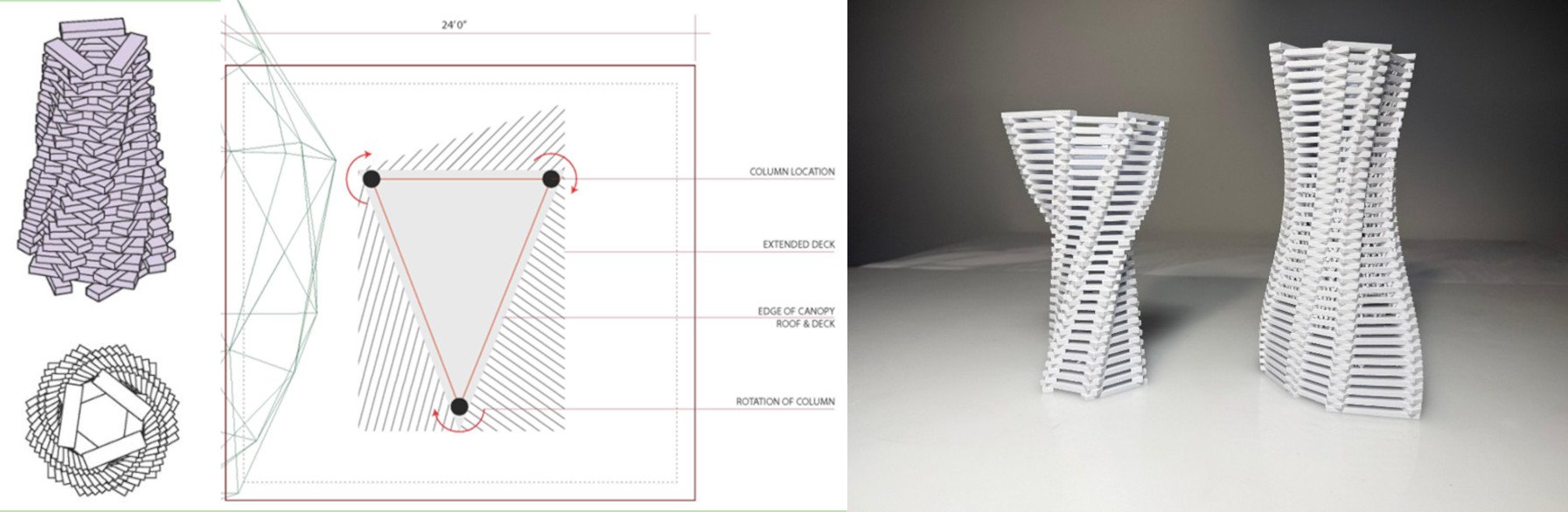
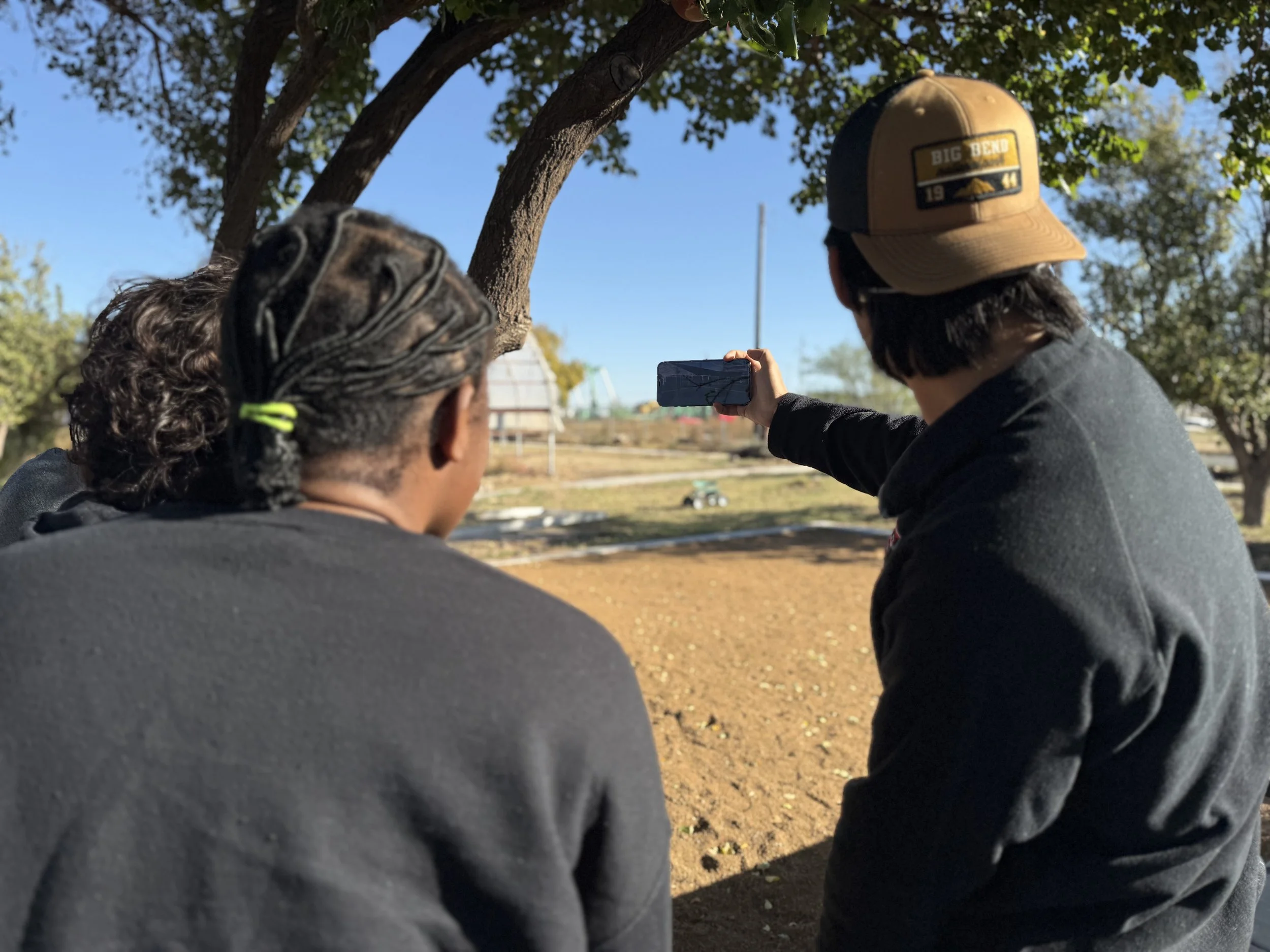
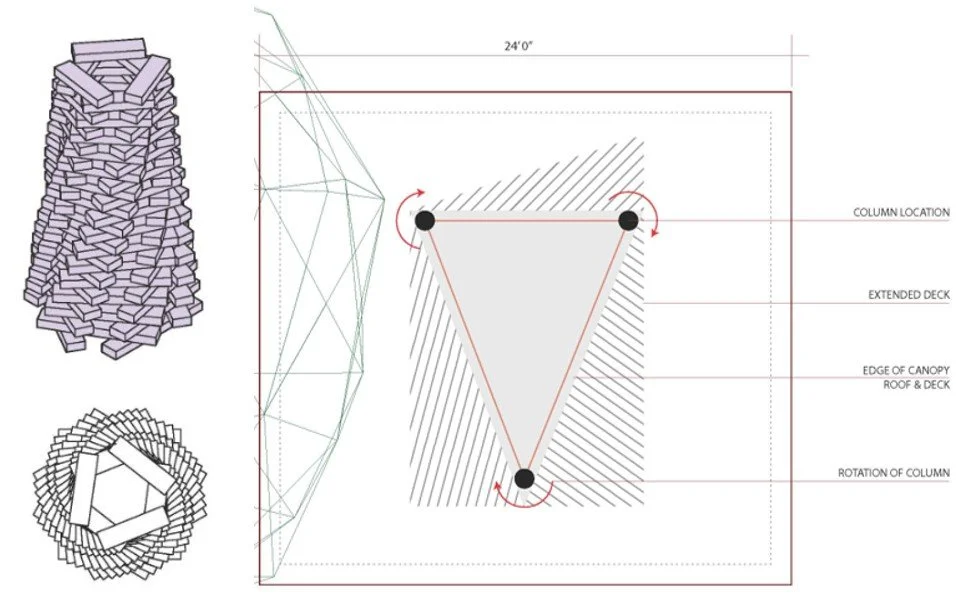
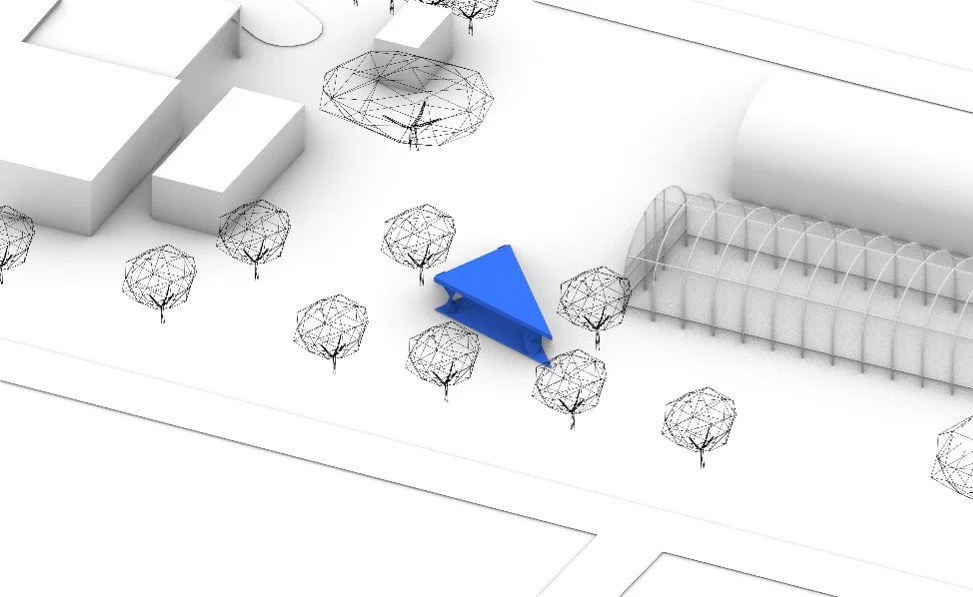
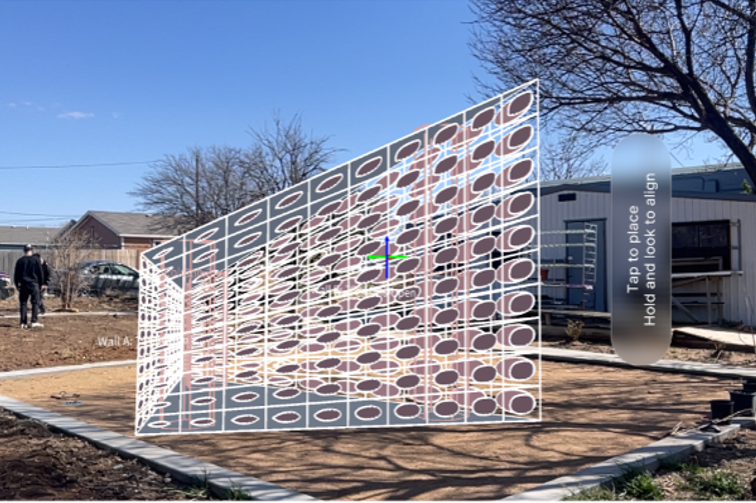
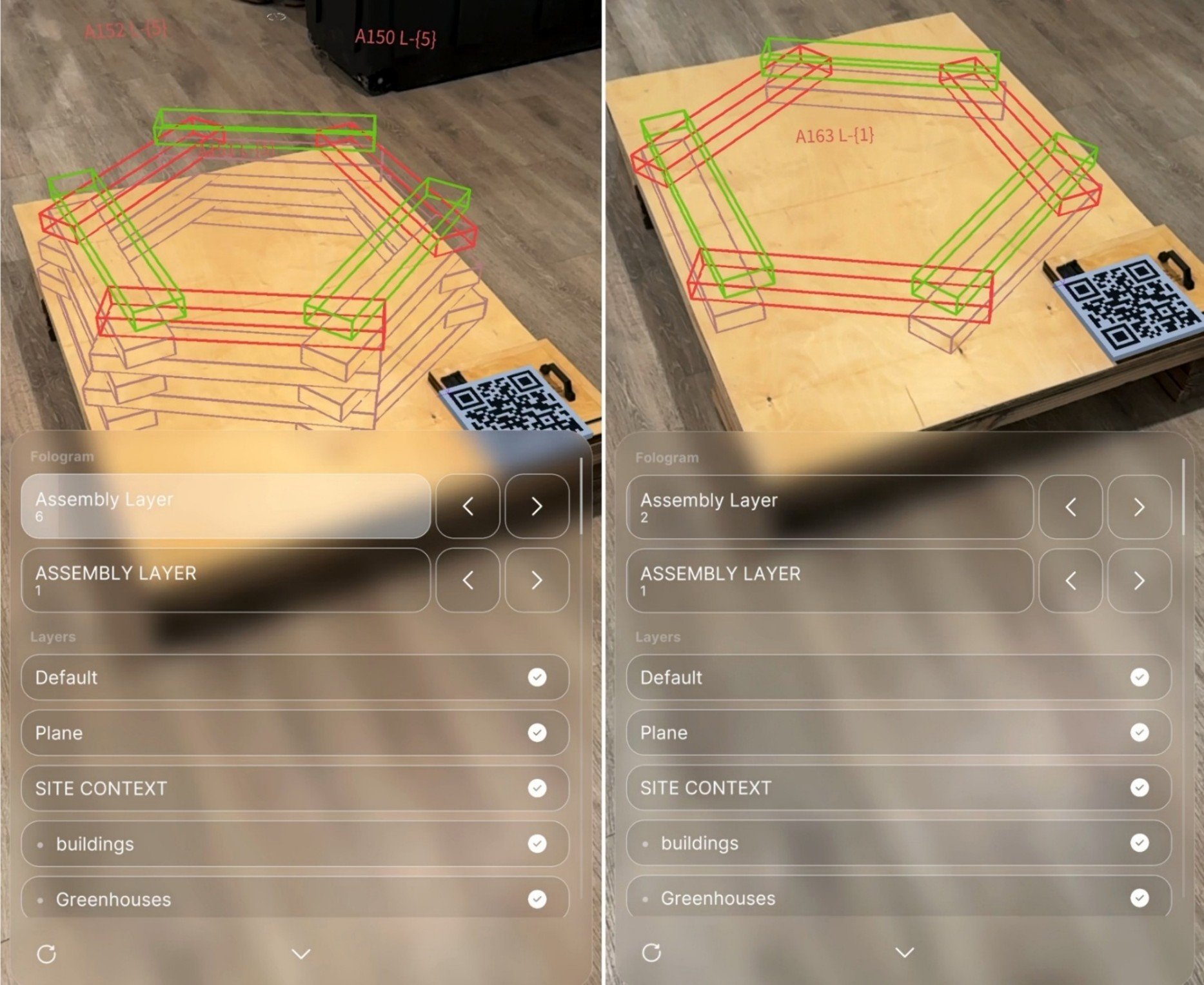
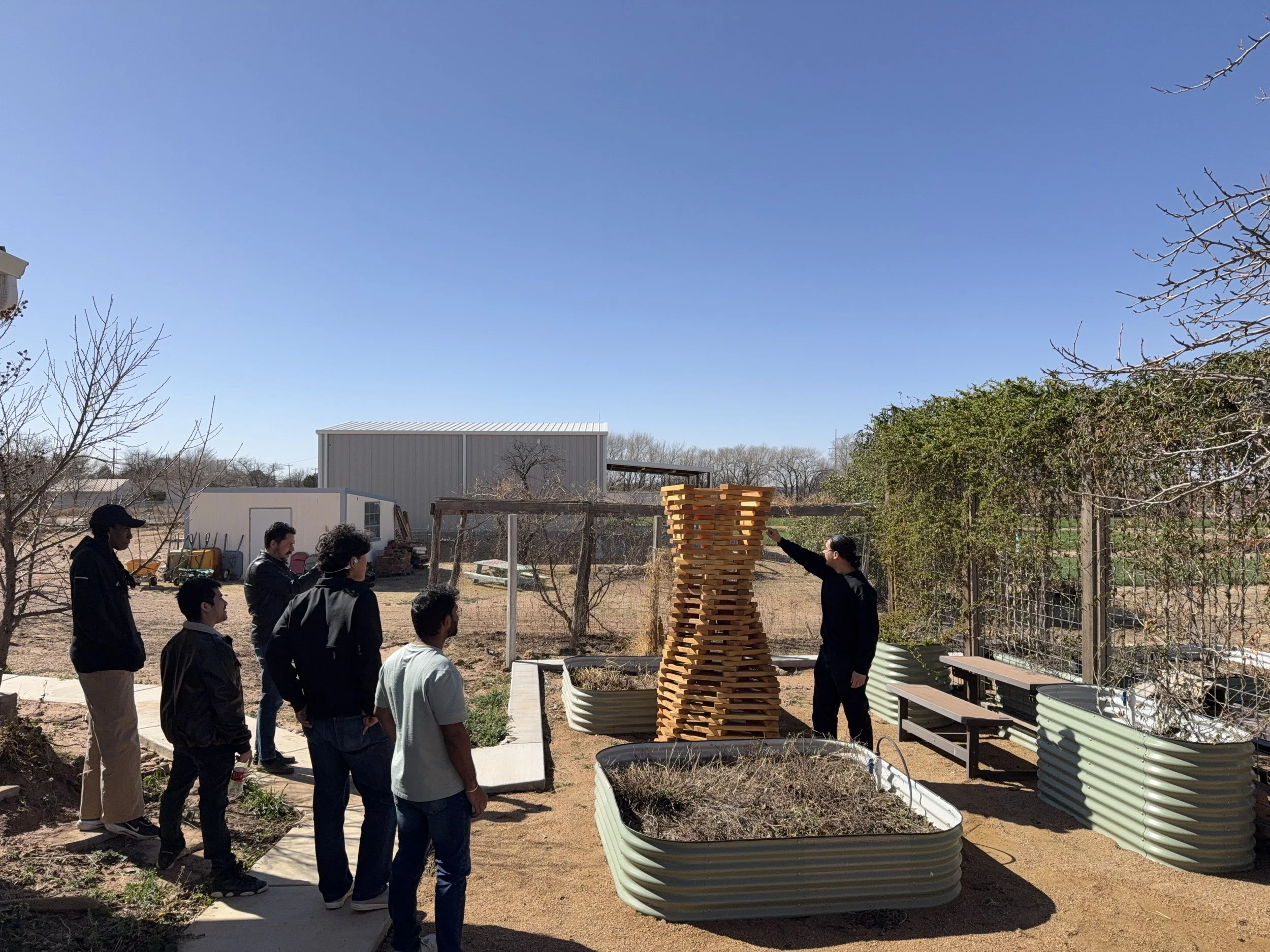
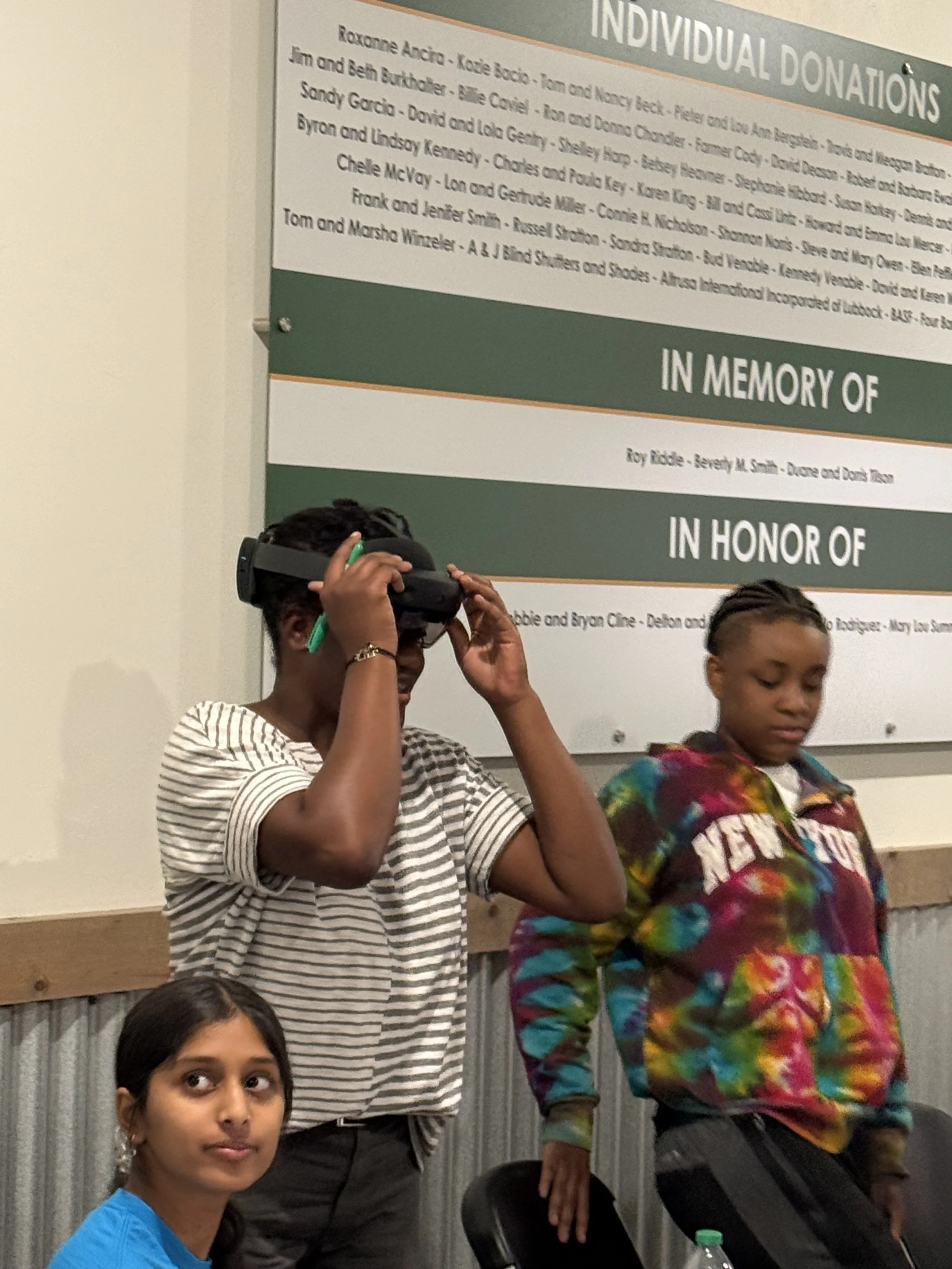
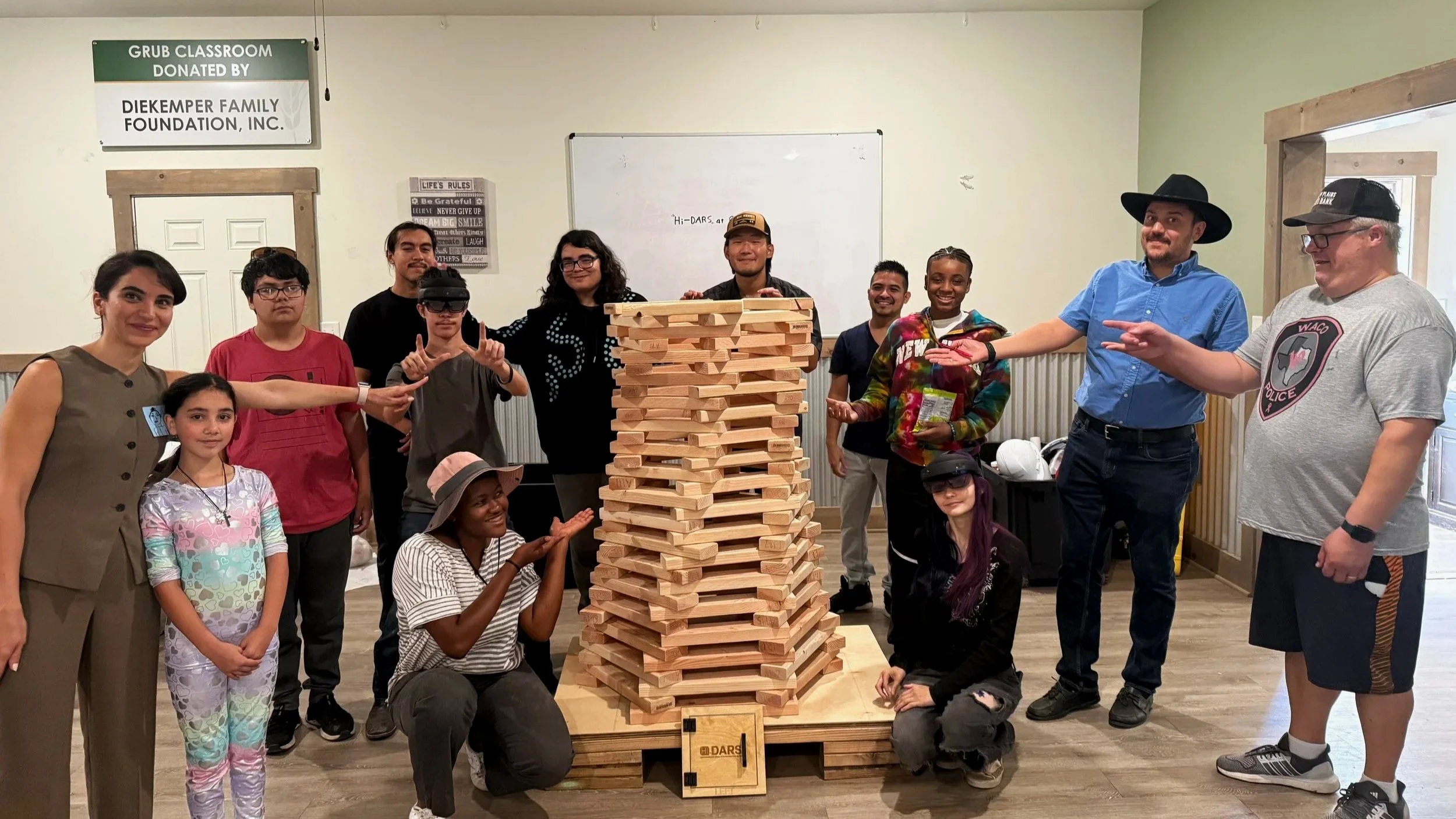
This workshop introduced participants to parametric design and augmented reality (AR) as complementary tools for architectural design and construction. Sessions began with foundational concepts—defining parametric design as an algorithmic, rules-based approach to shaping form, and AR as the overlay of digital information onto real-world environments. The workshop then demonstrated AR-guided fabrication in practice, walking through machine setup and cutting through a HoloLens interface, AR-assisted assembly of wood pieces using holographic guides, and the production of finished prototypes. The core hands-on component centered on designing and building a Hogan-inspired parametric column structure, where participants explored adjustable design parameters—including the number of sides and rotation of the base shape, radius scaling per layer, number of vertical layers, and the extension and labeling of 2x4 building block pieces—to understand how small rule changes generate diverse structural outcomes. The workshop concluded with a participatory, hands-on build session, giving attendees direct experience translating parametric design logic into a physically assembled structure using AR-guided fabrication techniques.
Augmented Reality
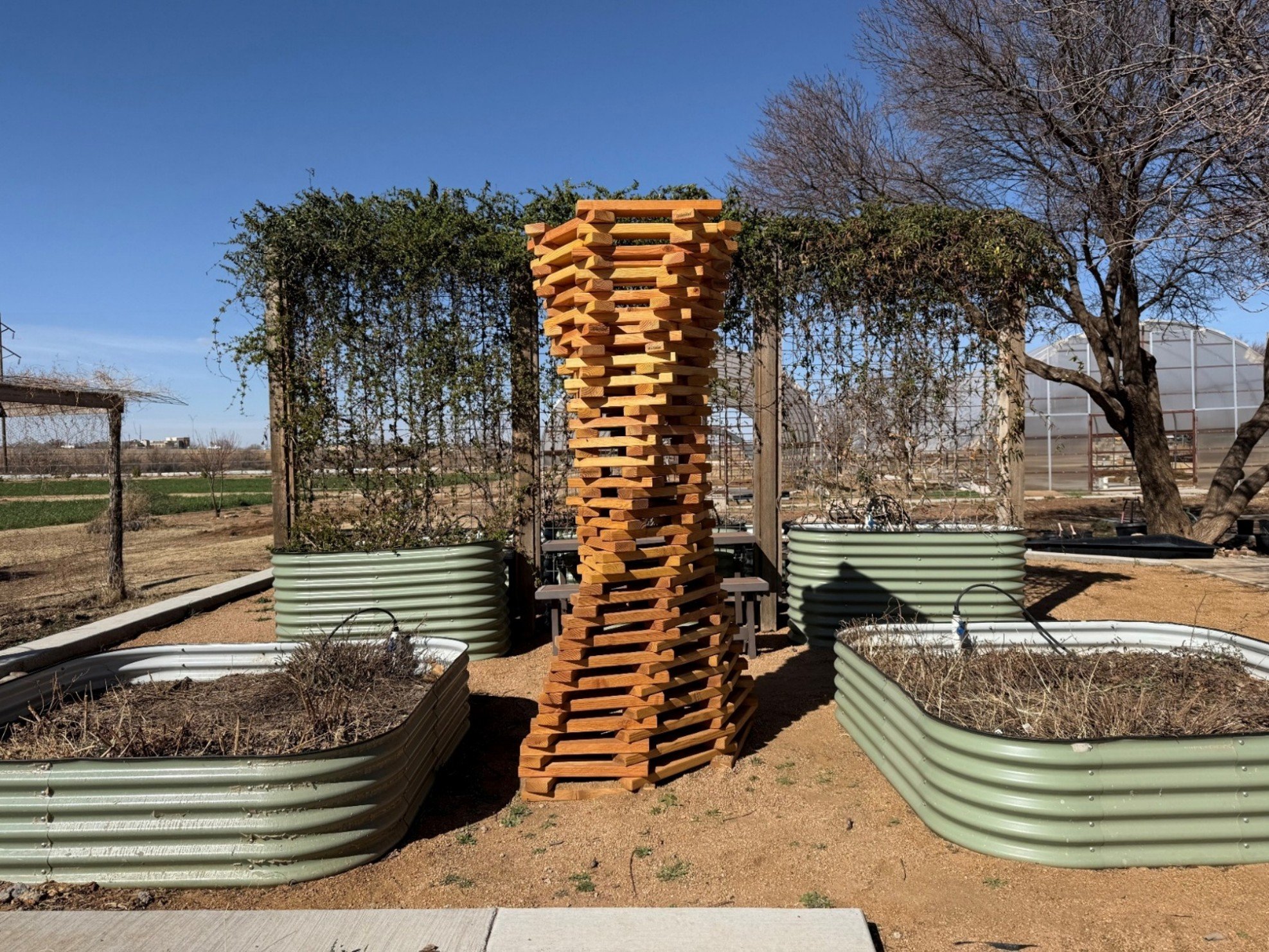
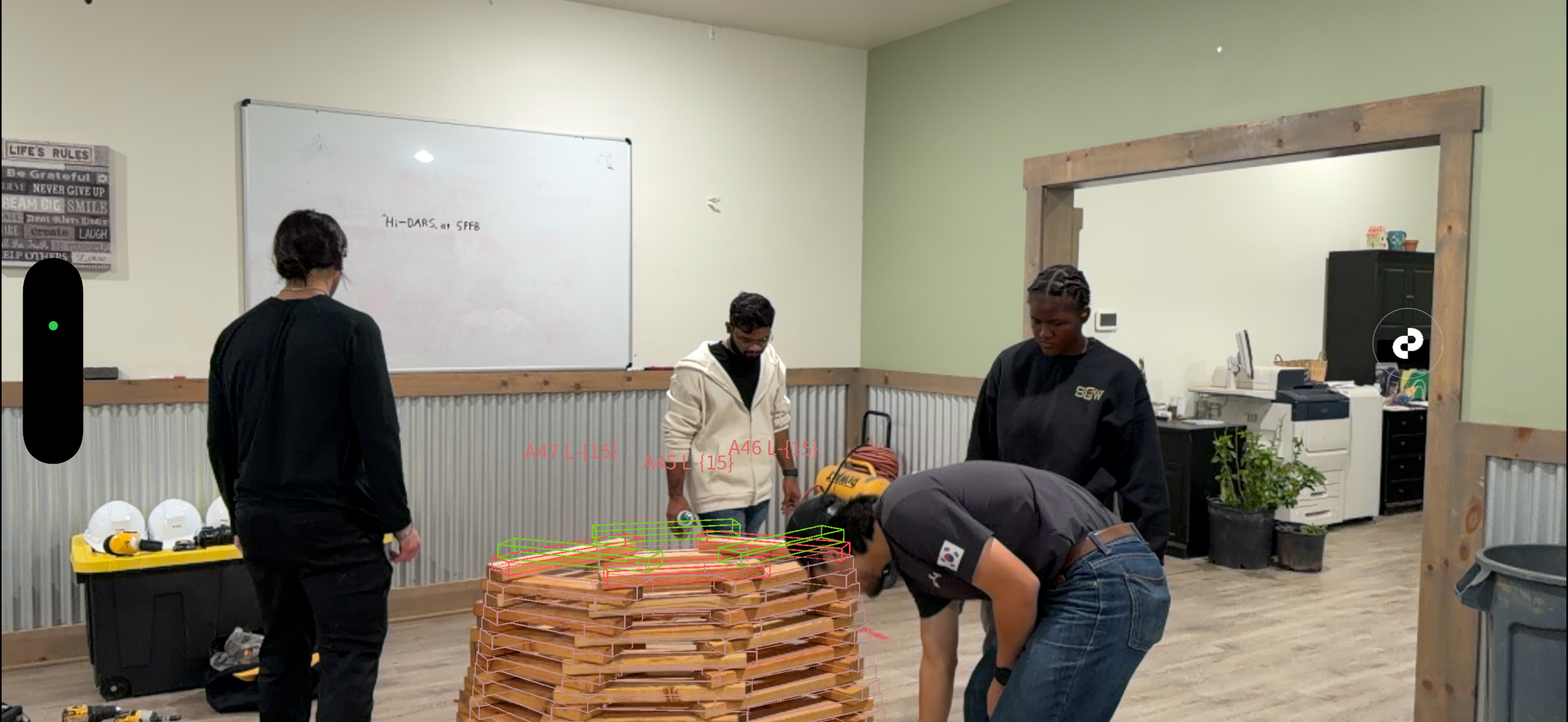
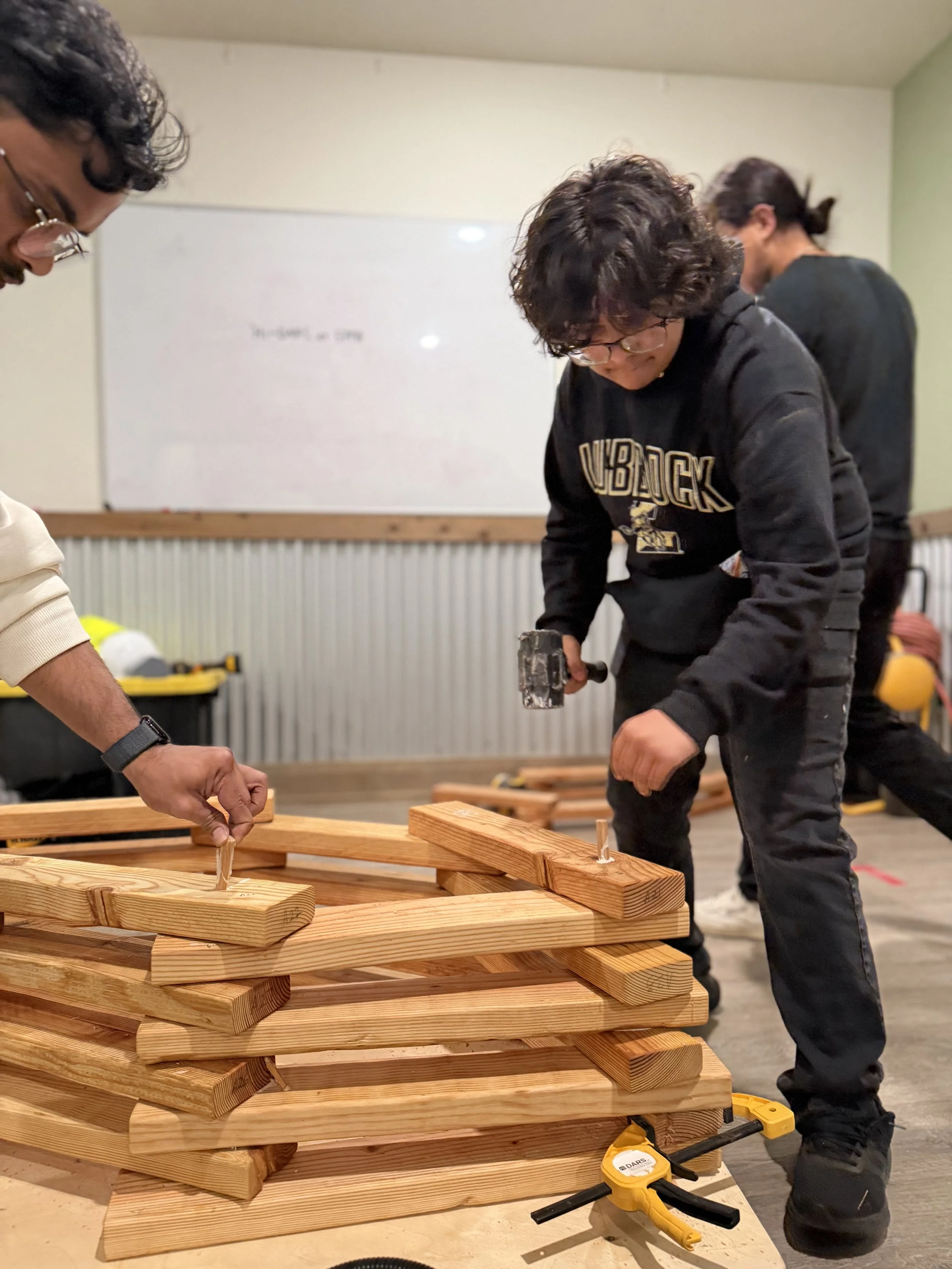
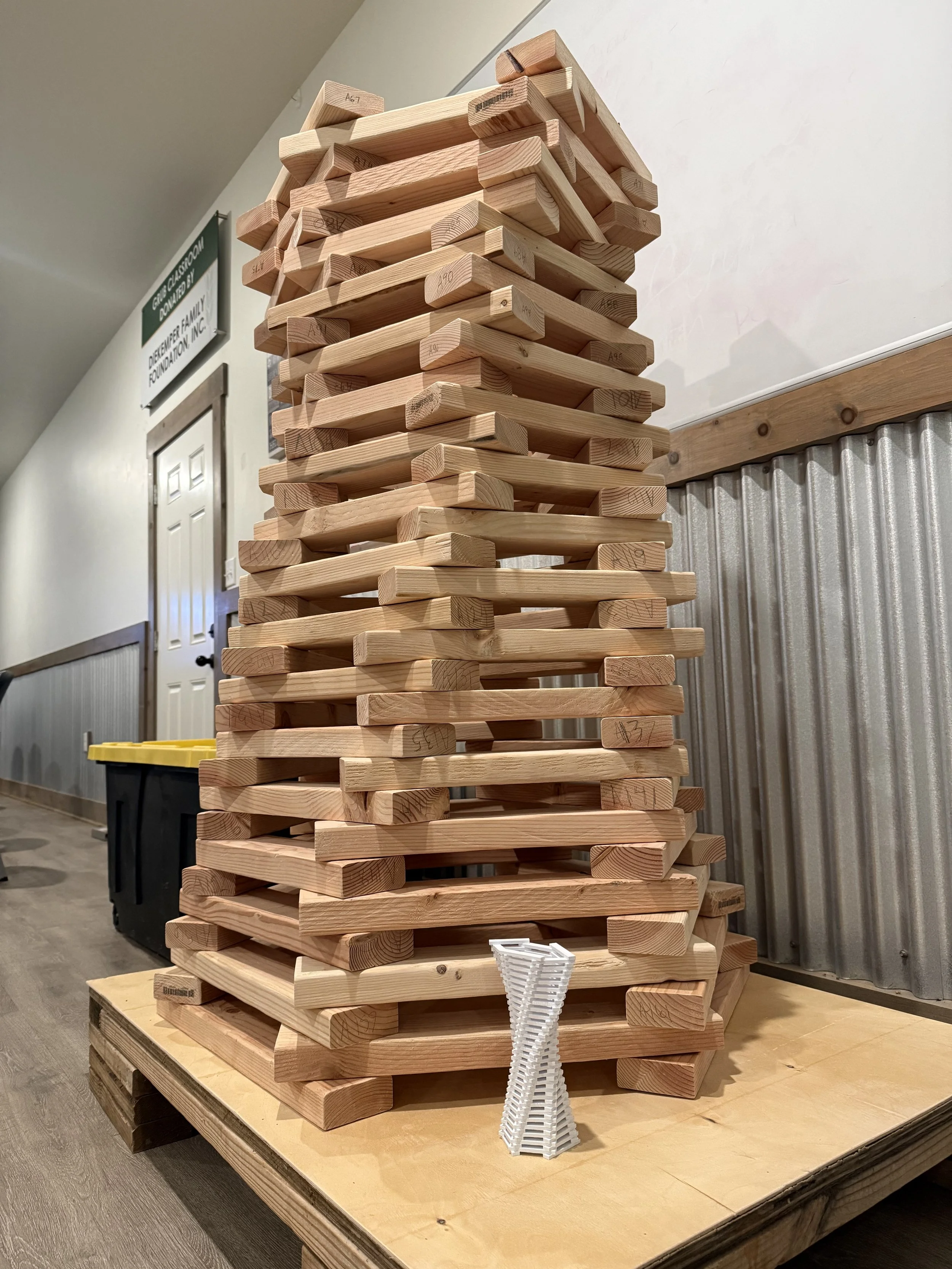
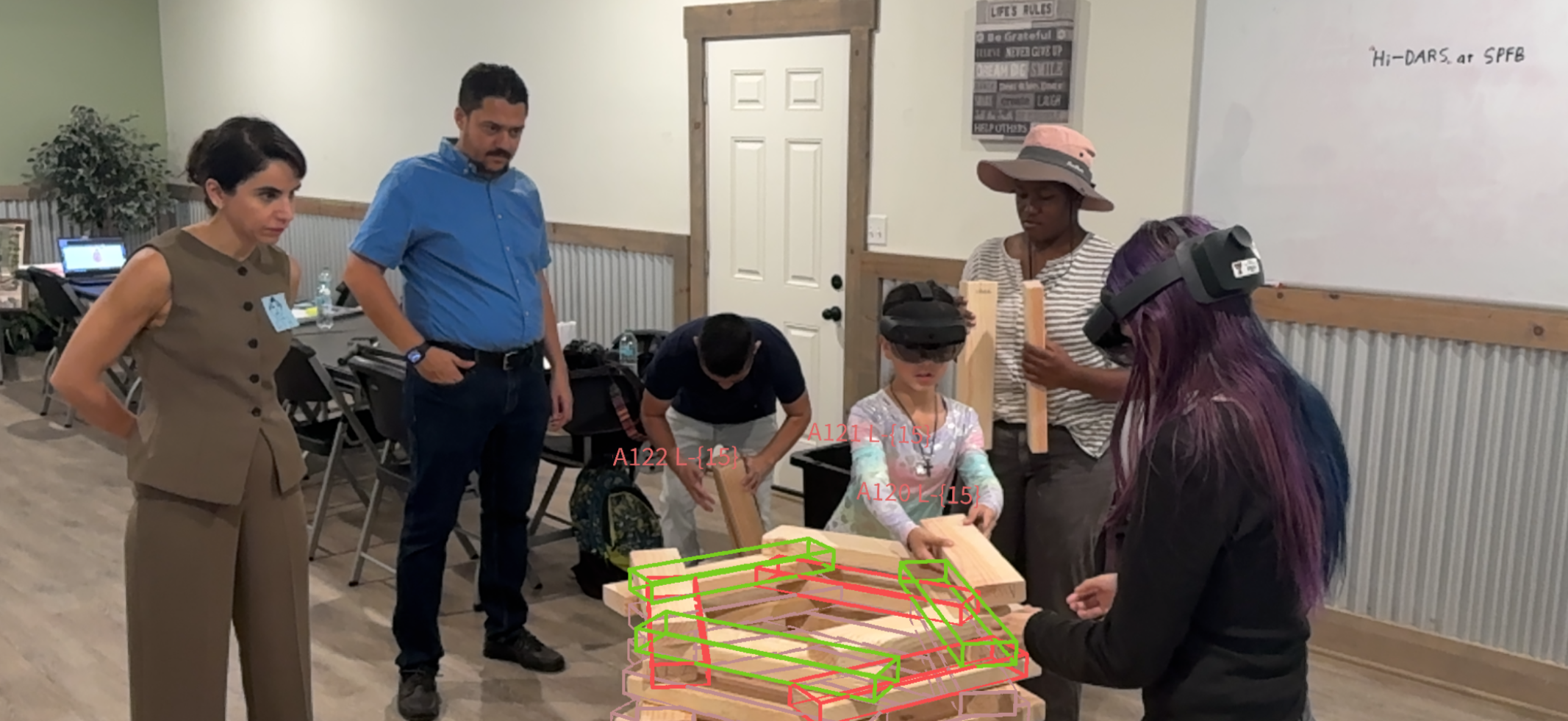
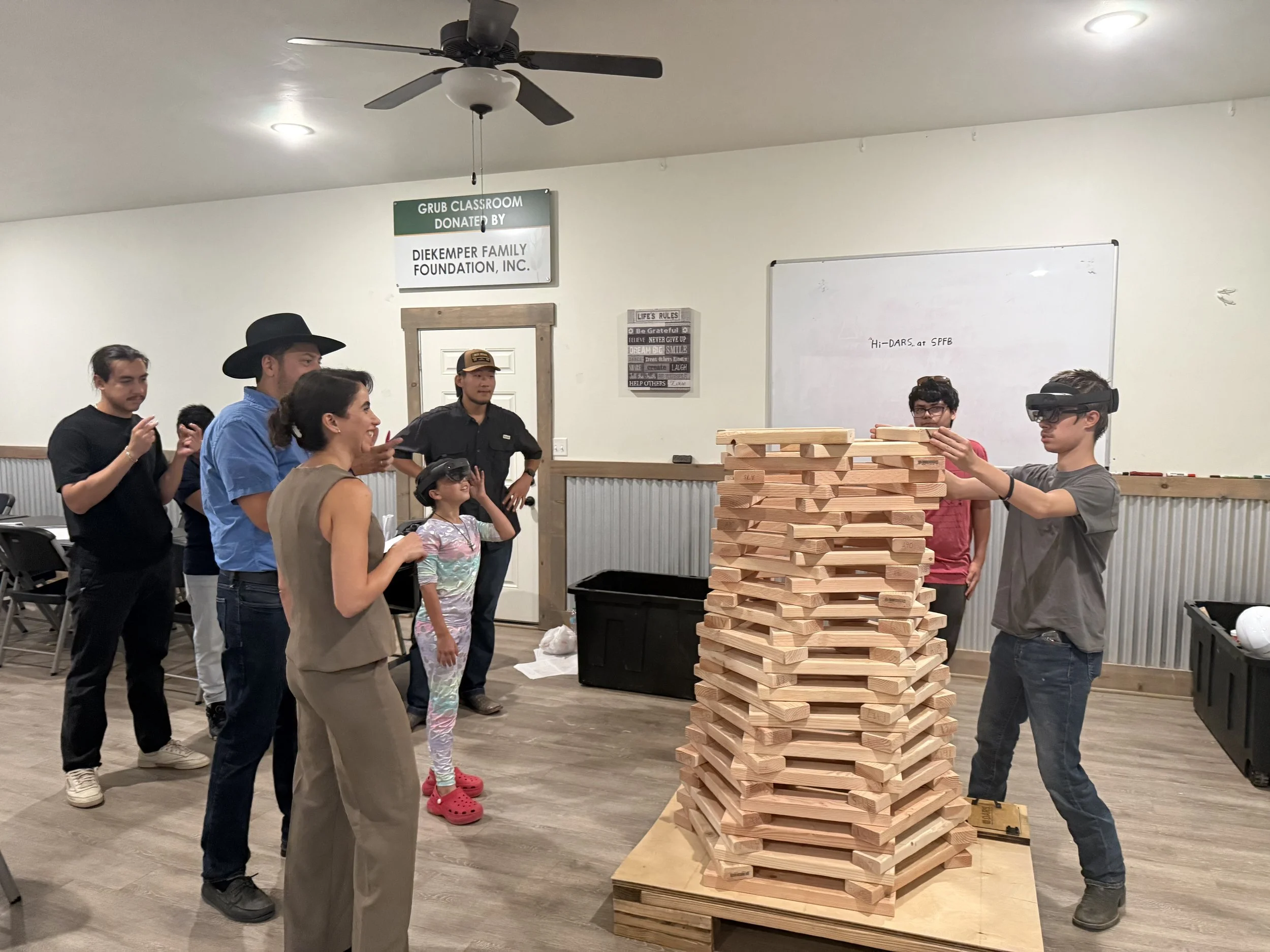
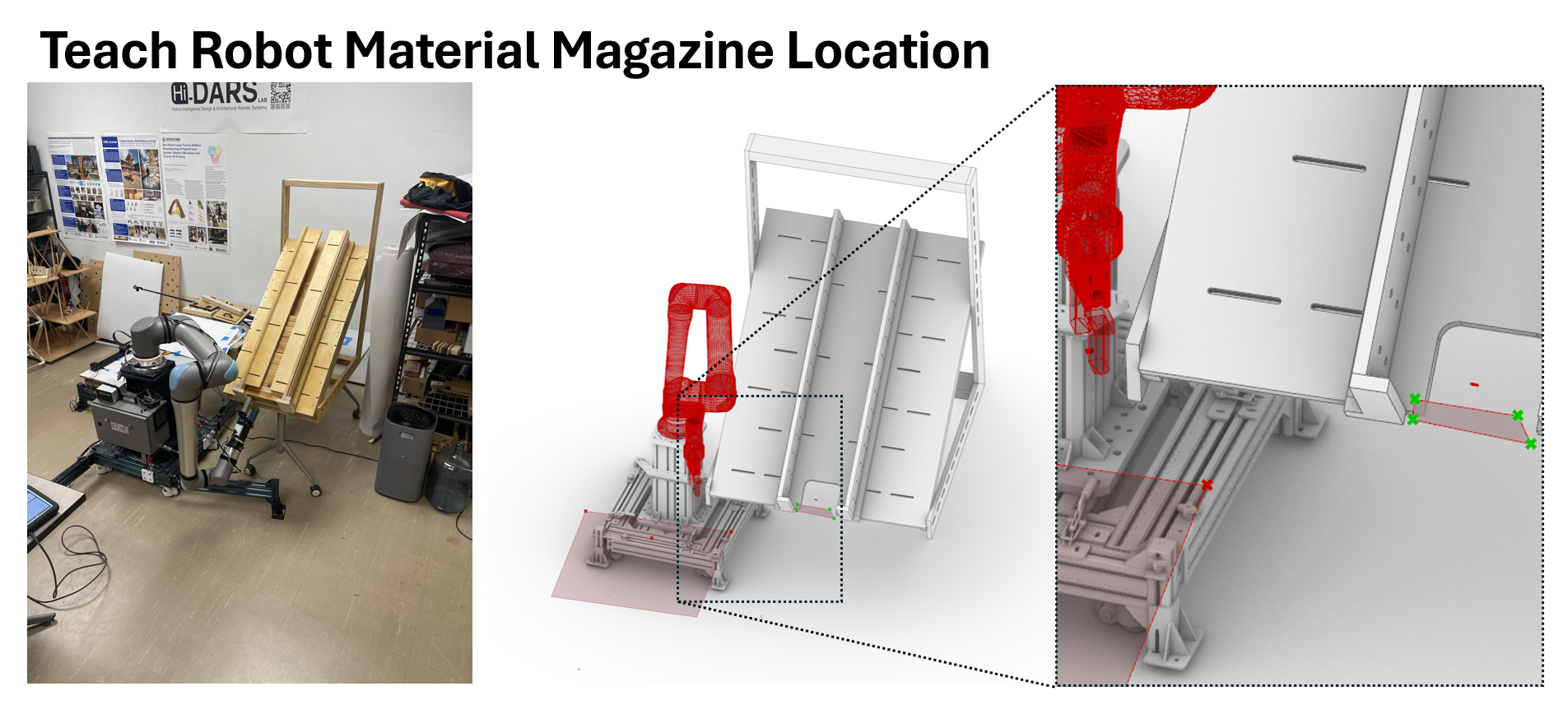
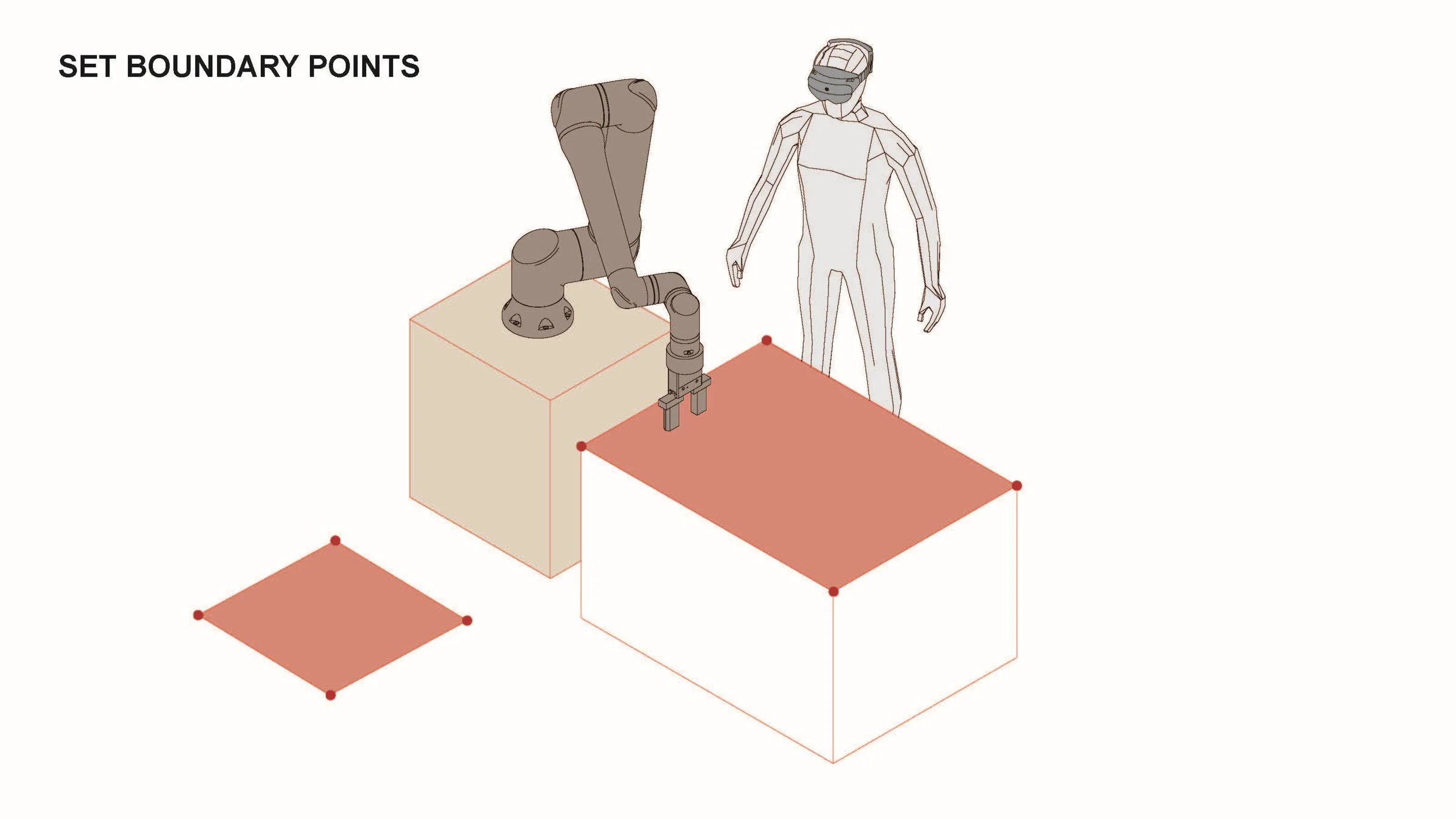
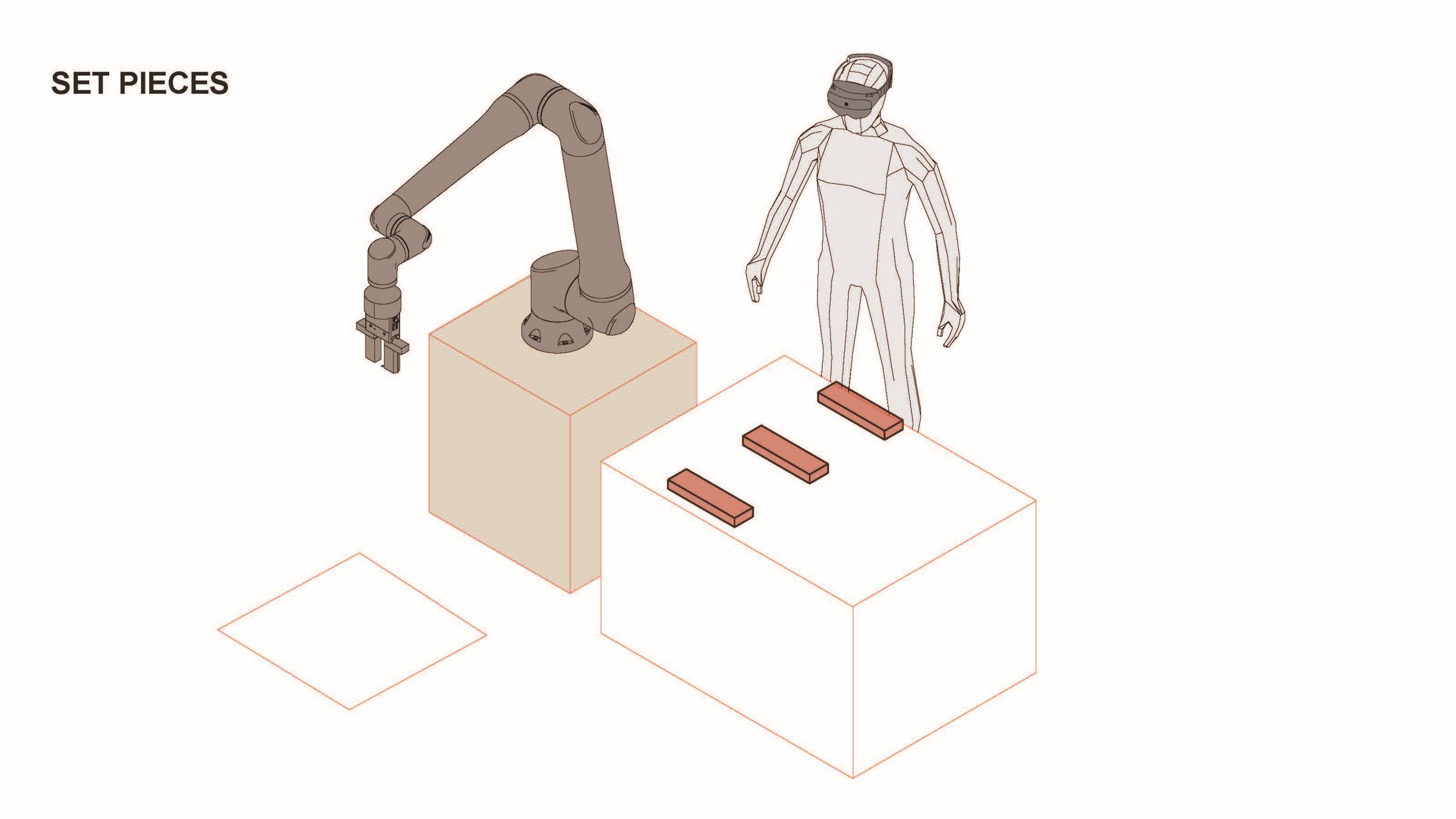
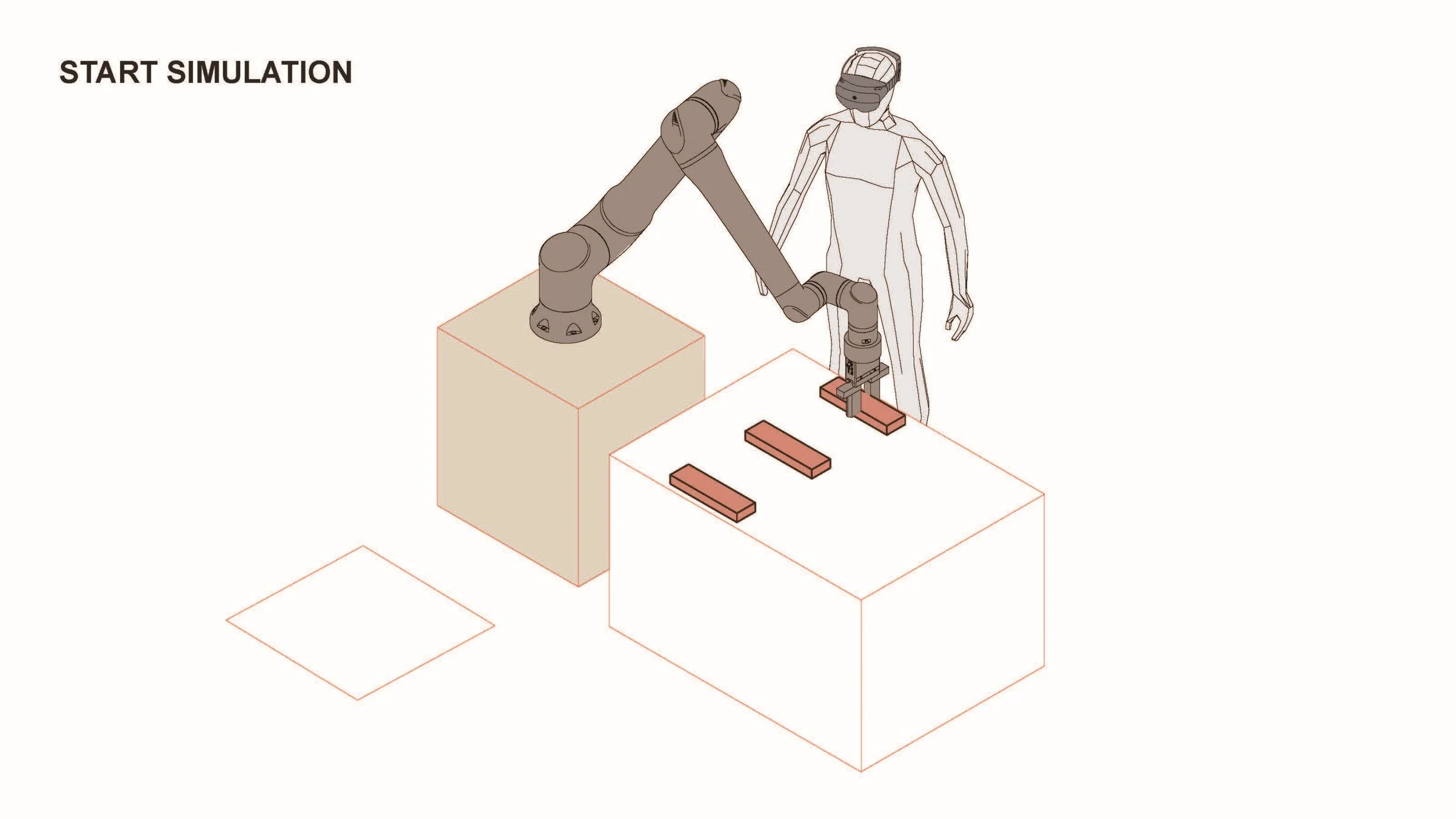
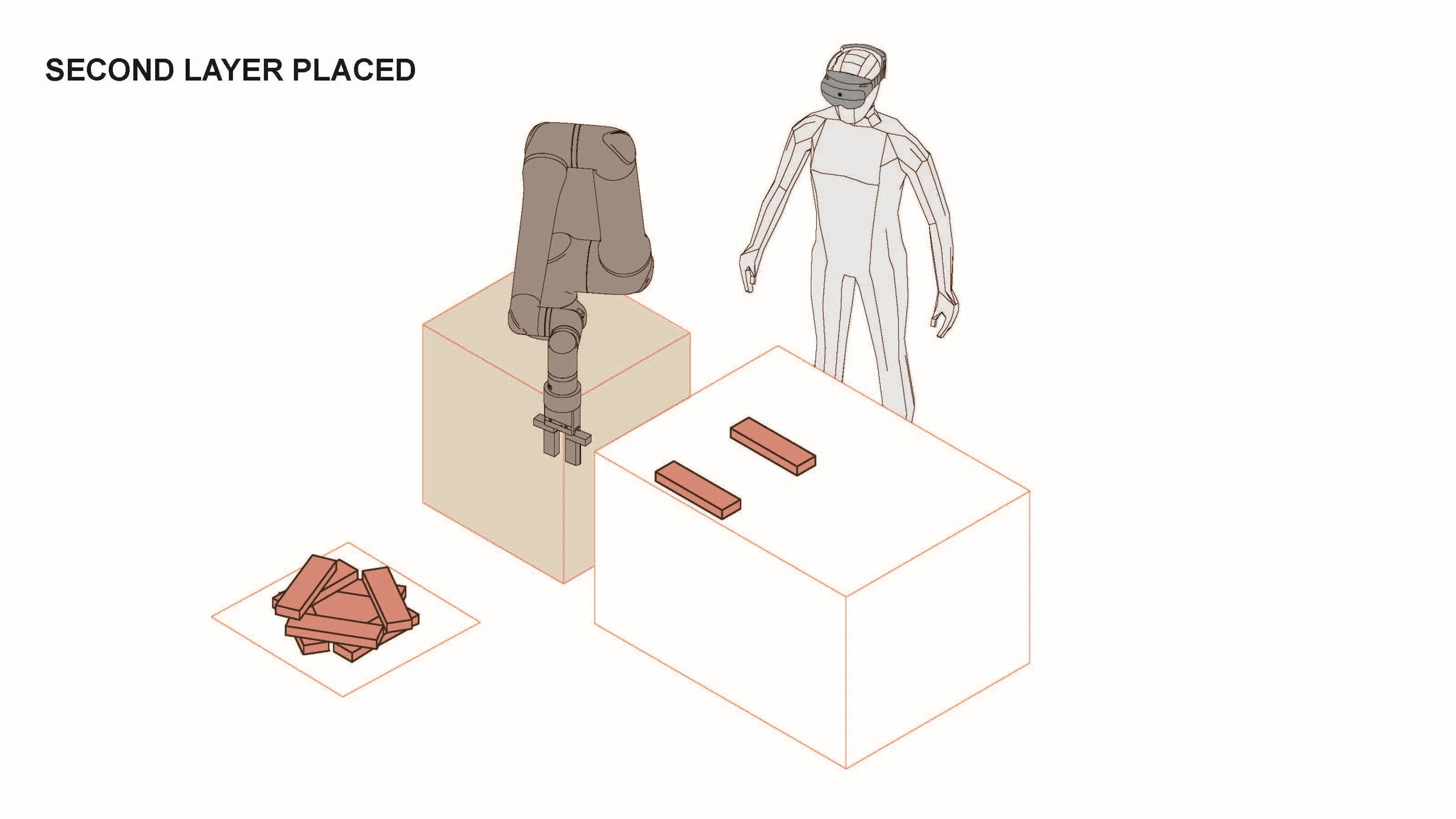
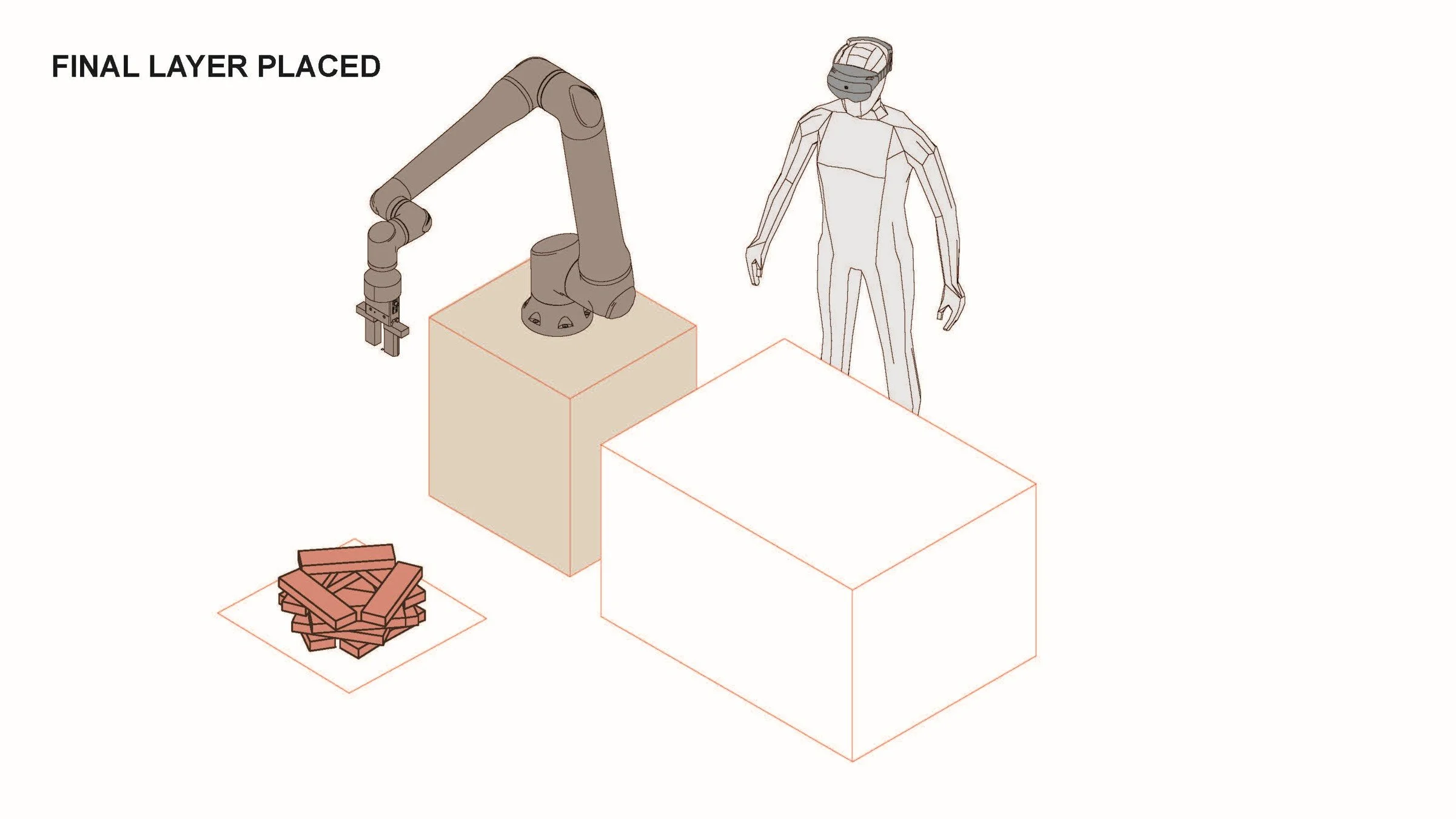
This workshop focused on human-robotic collaboration in architectural design and fabrication, exploring how technology supports—rather than replaces—human decision-making. The session opened by framing collaboration around four core principles: a shared workspace where humans and robots operate with real-time awareness of one another, cooperative tasks distributed by efficiency and safety, dynamic interaction through gestures and sensors, and mutual learning between human input and robotic behavior over time. Participants examined how robots function as precise extensions of human intent—following digitally modeled and pre-tested paths while humans retain control over design, material choices, and creative decisions—through a survey of robotic fabrication methods including CNC milling, robotic welding, hot-wire cutting, pick-and-place assembly, and additive manufacturing in clay, concrete, and plastics, each paired with an explanation of where human judgment remains essential. The session culminated in a hands-on demonstration of a collaborative robot (UR arm) being taught material magazine and assembly locations to autonomously assist participants in constructing a Hogan-inspired column structure.
Human-Robot Collaboration
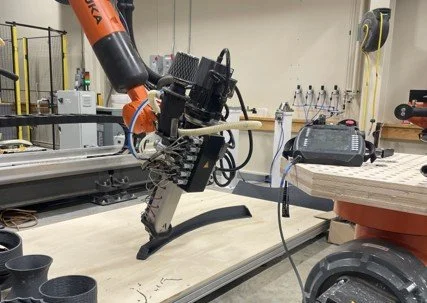
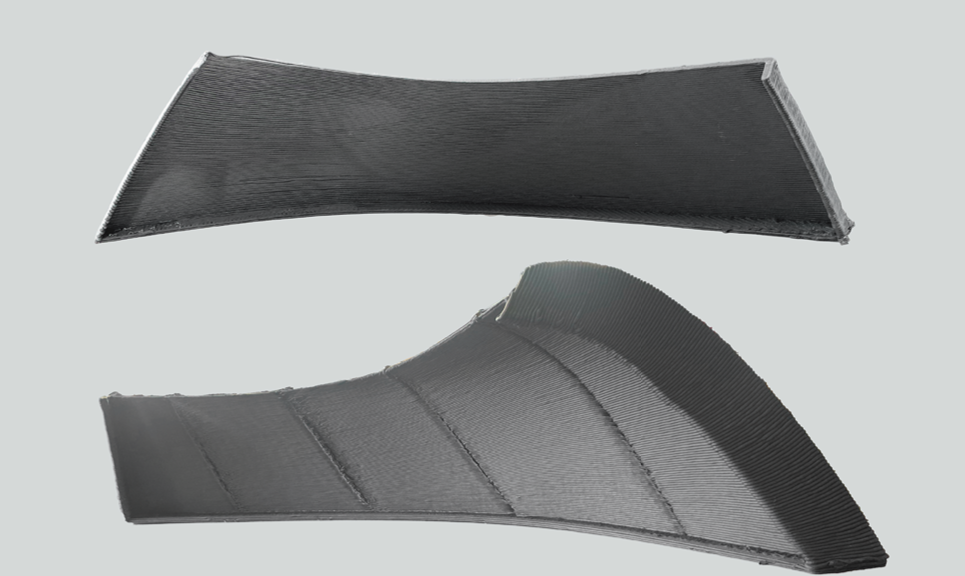
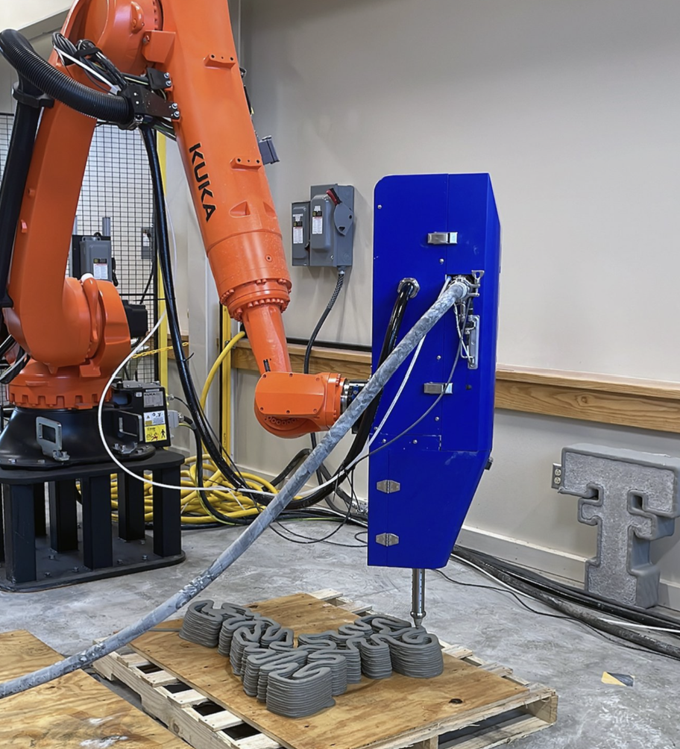
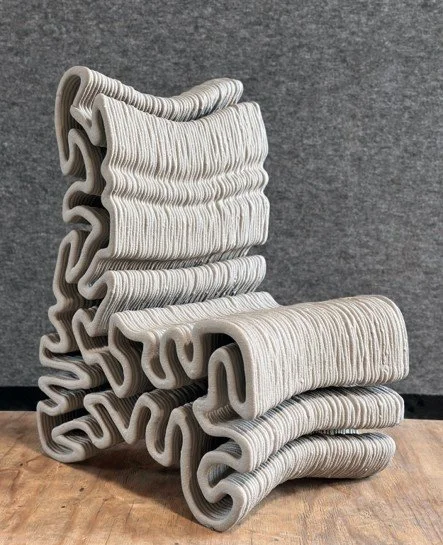
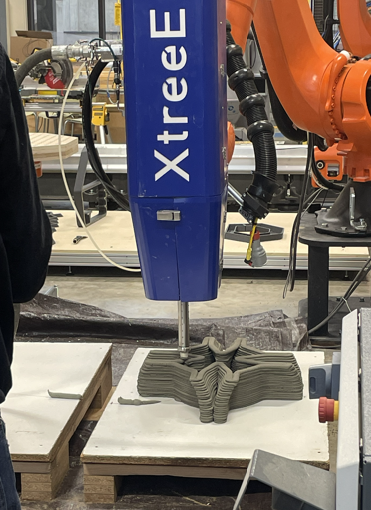
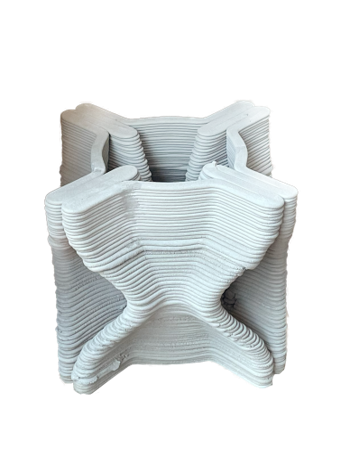
This workshop focused on additive manufacturing and 3D printing in architecture, exploring how computational design and digital fabrication can expand the possibilities of architectural prototyping from small-scale models to large-format construction. The session introduced participants to the relationship between digital design, algorithms, and fabrication, demonstrating how computational tools can generate, customize, and optimize architectural forms before translating them into physical objects through layer-by-layer manufacturing. Participants examined a range of additive manufacturing applications and prototypes, including large-format polymer printing, ceramic 3D printing, and robotic concrete fabrication, while learning about the design freedom, material efficiency, precision, and customization enabled by these technologies. The workshop further explored the technical workflow behind concrete 3D printing—from parametric modeling and toolpath generation in Rhino and Grasshopper to material preparation, pumping, robotic extrusion, layer deposition, and curing—highlighting the relationship between digital geometry, material behavior, and fabrication constraints. The session culminated in a hands-on, participatory activity in which participants explored the computational and fabrication potential of additive manufacturing by designing and developing wall-segment and column structures.
Additive Manufacturing
PUBLICATION | RECOGNITION
Publications:
Integrating emerging design-build technologies for resilient housing in the Navajo Nation : Mostafavi, S., Mostafavi, S., Mehan, A., & Nejat, A. (2025). Integrating emerging design-build technologies for resilient housing in the Navajo Nation. Urban Planning, 10(Smart and Resilient Infrastructure in the Wake of Climate Change). https://doi.org/10.17645/up.10157
Integrated computational design to augmented production of timber-dowel structures : A multi-criteria system for informed variation and community co-production : Mostafavi, S., Bagheri, B., Scott, C., Montejano Hernandez, E., Howell, C., & Mehan, A. (2025). Integrated computational design to augmented production of timber-dowel structures: A multi-criteria system for informed variation and community co-production. In D. Reinhardt, N. Rogeau, C. M. Herr, A. Globa, J. Chen, & T. Narahara (Eds.), Architectural informatics: Proceedings of the 30th International Conference on Computer-Aided Architectural Design Research in Asia (CAADRIA 2025, Tokyo) (Vol. 2, pp. 397–406). CAADRIA.
Mapping human agency in the AR-enabled co-production of an urban community podium : Mostafavi, S., Bagheri, B., Scott, C., Howell, C., Montejano Hernandez, E., & Mehan, A. (2024). Mapping human agency in the AR-enabled co-production of an urban community podium. In S. Jensen Carr & R. García Rubio (Eds.), Proceedings of the 113th ACSA Annual Meeting: Repair (Vol. 113, Paper 23). Association of Collegiate Schools of Architecture. https://doi.org/10.35483/ACSA.AM.113.23
Robotically produced timber dowel double-curvature discrete shell: Integrated computational design to augmented production of a dry-assembled pavilion structure : Bagheri, B., Mostafavi, S., Montejano Hernandez, E. H., Segovia, M. A., Scott, C. R., & Lee, U. (2025). Robotically produced timber dowel double-curvature discrete shell: Integrated computational design to augmented production of a dry-assembled pavilion structure. In Proceedings of the ACM Symposium on Computational Fabrication (SCF ’25, Art. 4, 18 pp.). Association for Computing Machinery. https://doi.org/10.1145/3745778.3766668
Augmented engagement: Community-centered AR workflows for participatory design-build systems : Forthcoming Peer-Reviewed Paper (2026)
AWARD | RECOGNITION
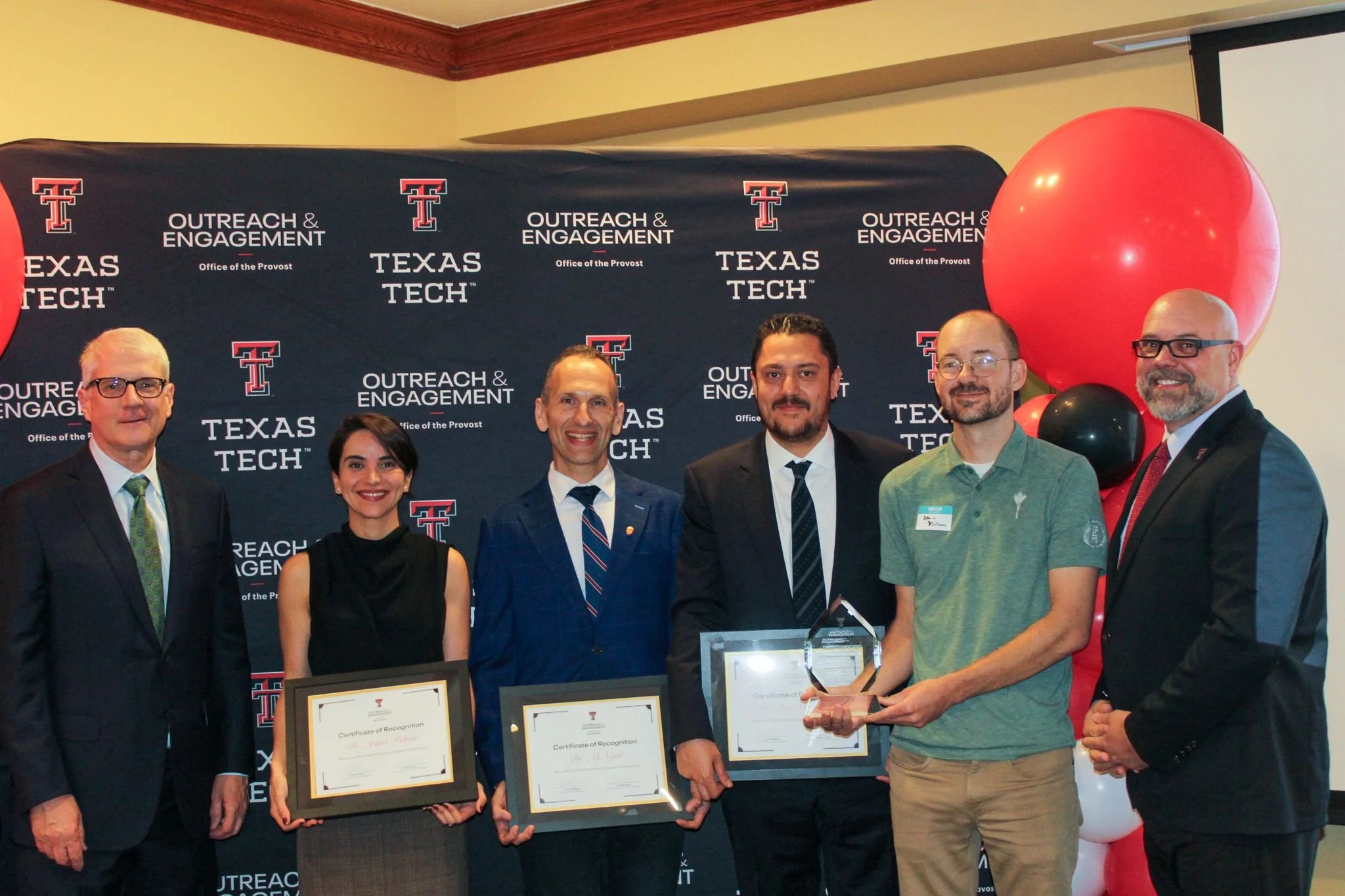
President’s Emerging Engaged Scholarship Award 2026
INFORMATION | CREDITS
Principal Investigators:
Sina Mostafavi, Ph.D. (PI), Ali Nejat, PhD, PE, PMP (Co-PI), Asma Mehan, PhD (Co-PI)
Texas Tech University Hi-DARS Team:
Edgar Montejano Hernandez, Mark Segovia, Uijin Lee, Akhil Polimera, Princess Olali, Abigail Petrofes
TTU HCoA Additional Support:
TTU-HCoA research courses: Prototyping | Jeesong Park, Justin Stryk, Madison Rumsey, Emma McGaha, Tia Turvey, Evan Farrar, Matthew Flores, Issac Gabriel, Aidan
External Community Partners:
South Plains Food Bank
Navajo Technical University