Resilient Additive Manufacturing Platform
Resilient Construction Through Concrete 3D Printing
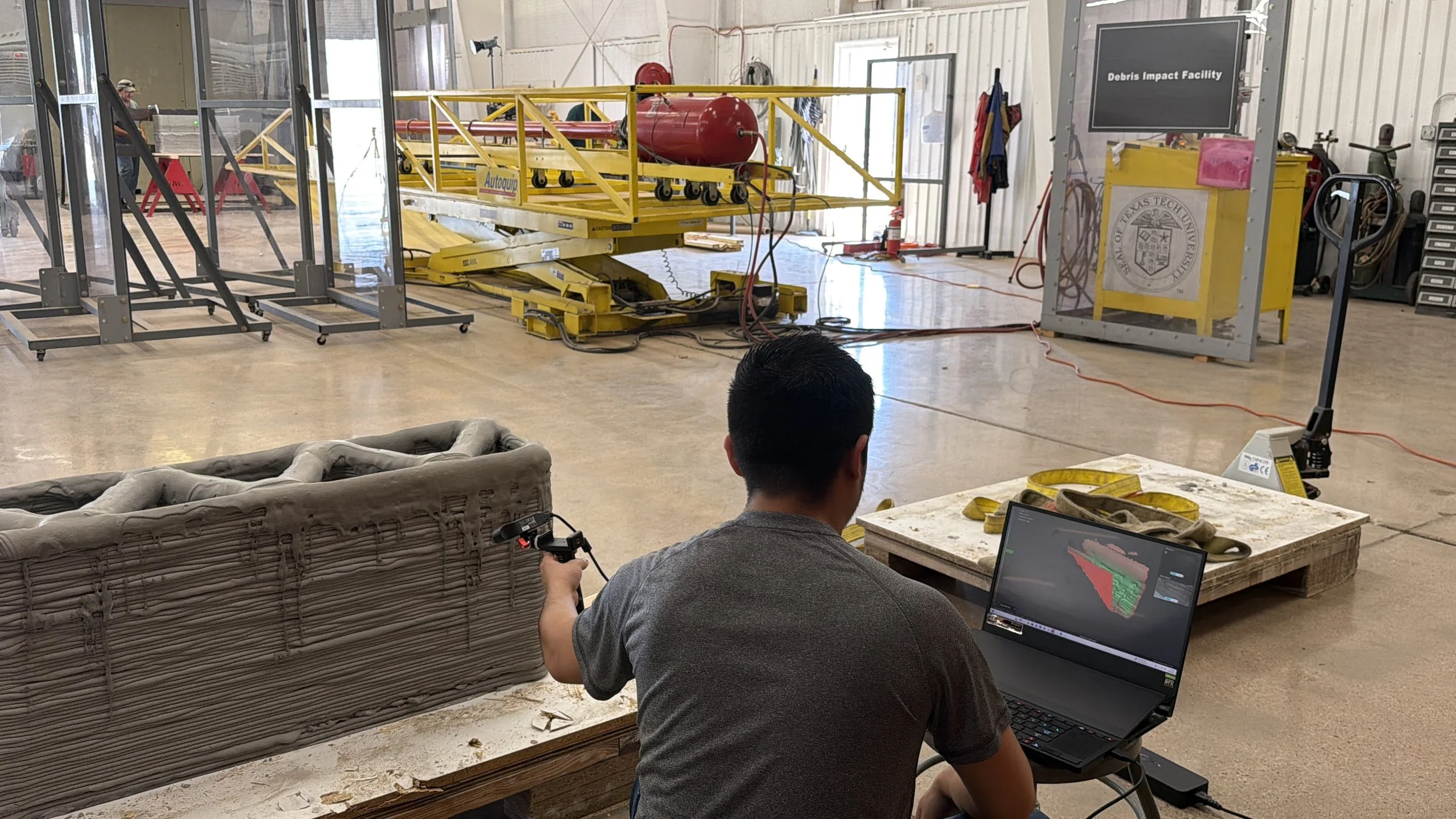
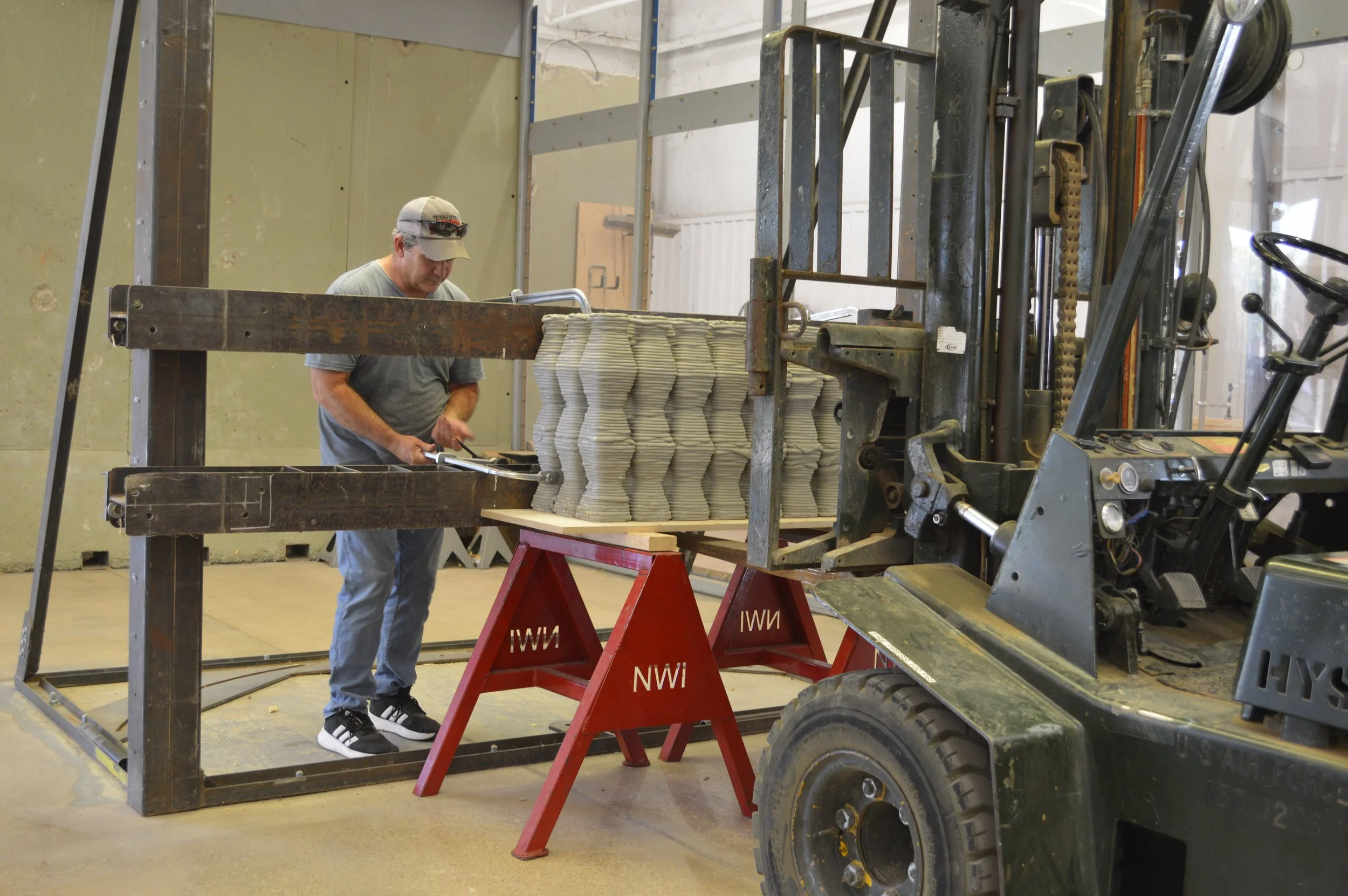
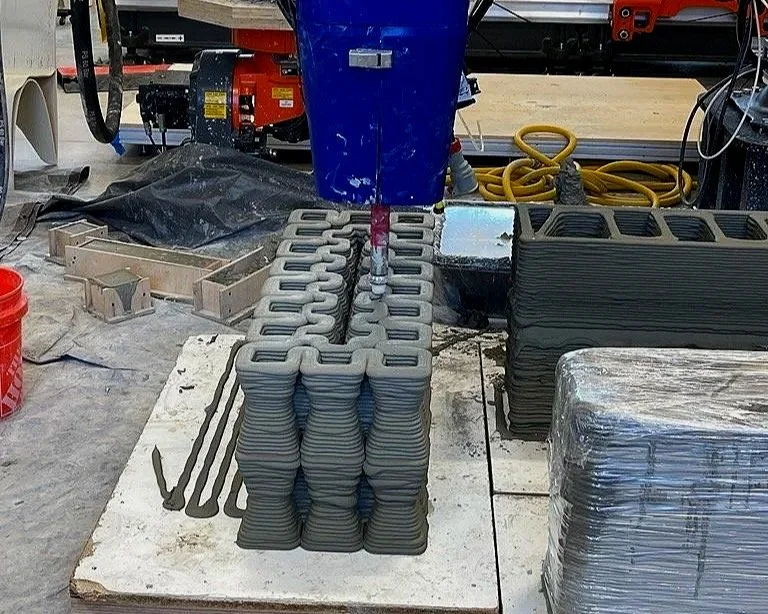
RAMP (Resilient construction through concrete 3D printing) is an interdisciplinary research initiative at Texas Tech University that investigates how computational design, robotic concrete 3D printing, physical testing, and numerical modeling can be integrated to develop more resilient wall systems for disaster-resistant housing. The research explores how variations in wall geometry, material placement, and fabrication strategies affect printability, structural continuity, damage, and performance under windborne-debris impacts. The project follows an integrated “Design. Print. Test. Model.” workflow: parametric wall profiles and robotic toolpaths are developed in Rhino and Grasshopper, concrete wall prototypes are fabricated and cured using robotic systems, physical impact experiments evaluate their response to different impact speeds and locations, and three-dimensional documentation and finite-element analysis are used to validate and extend the experimental findings. Ultimately, RAMP aims to generate experimental evidence and validated digital models that can support the future development of high-performance, disaster-resilient 3D-printed housing systems.
Project 01 Description
Project 01 Title
WORKSHOPS
Project 02 Description
Project 02
PUBLICATION | RECOGNITION
Publications:
Early Performance Evaluation of 3D Printed Concrete Walls : 2026 workshop poster https://www.depts.ttu.edu/cecreh/documentation/nhw-2026-posters/NHW2026_POSTER_PAUL.pdf
Debris Impact Resistance of High-Performance 3D-Printed Concrete Wall Systems : CECON 2026 poster https://www.depts.ttu.edu/cecreh/documentation/cecon-2026-posters/CECON2026_POSTER_Paul.pdf
AWARD | RECOGNITION
Award/Recognition
INFORMATION | CREDITS
Principal Investigators:
Sina Mostafavi, Ph.D. (PI), Ali Nejat, PhD, PE, PMP (Co-PI)
Texas Tech University Team Members:
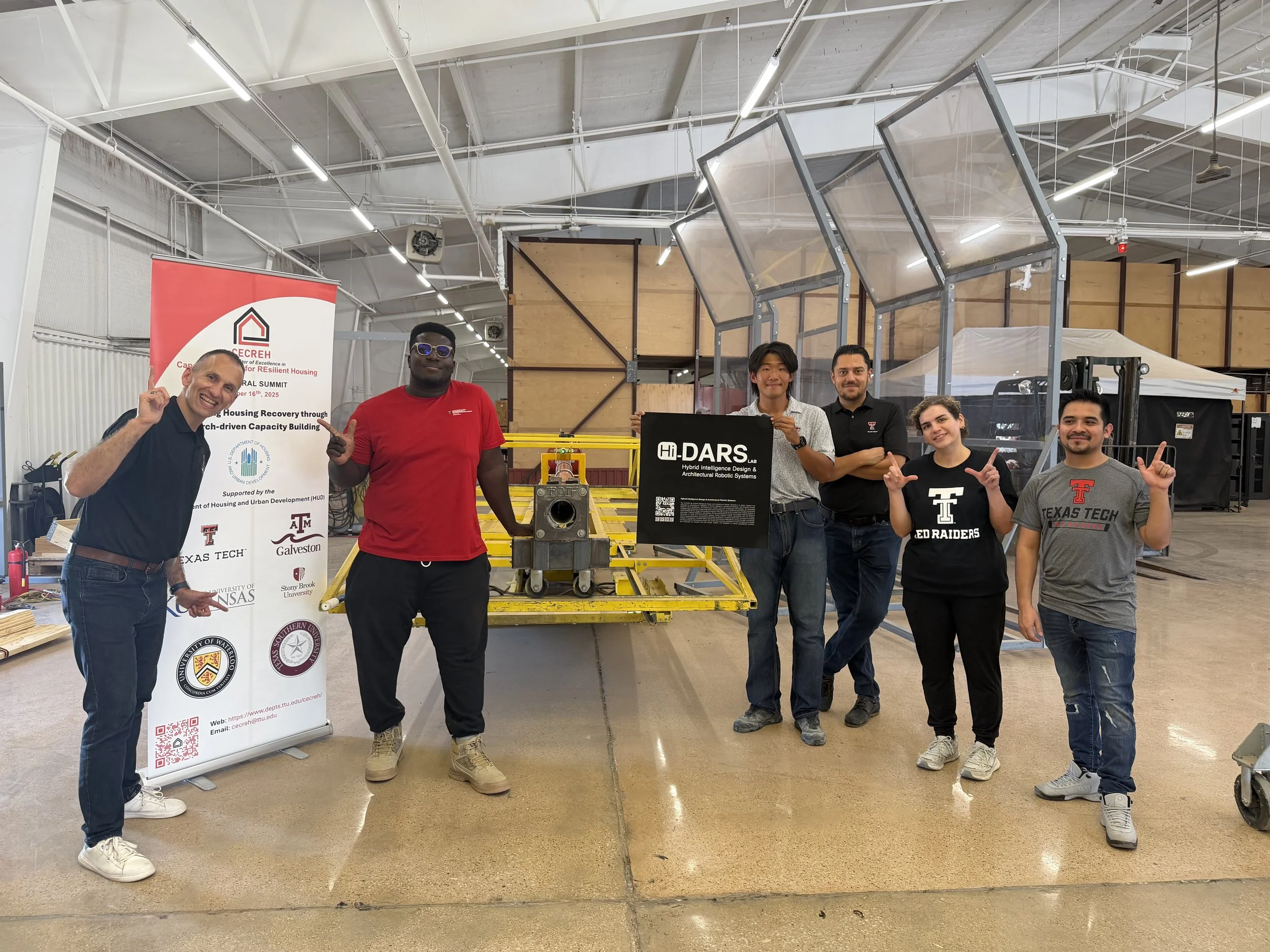
Edgar Montejano Hernandez, Paul Iyoha, Sheida Shariat, Uijin Lee, Akhil Polimer
TTU HCoA Additional Support:
National Wind Institute
Industry Partners:
Sika
XtreeE